••
Hopeson Adorye Blames Social Media Distractions for Declining Student Performance in 2026 WASSCE
•2 min read•2 sources
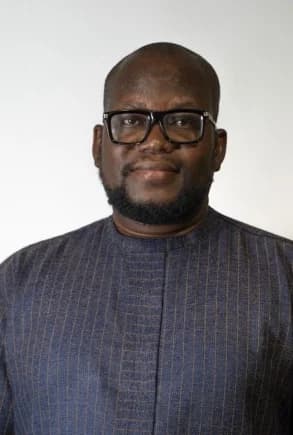
Hopeson Adorye, the Field Operations Officer of the United Party (UP), has raised an alarm over the declining academic performance of Ghanaian students, specifically linking the trend to the excessive use of mobile phones and social media platforms like TikTok. Speaking on the GTV Breakfast Show on September 10, 2026, Adorye argued that many students are now prioritizing digital content creation and social media engagement over their academic responsibilities. He warned that this shift in focus is producing a generation of graduates who may be technologically savvy but remain academically inadequate, potentially jeopardizing Ghana's competitiveness in the global knowledge economy.
Supporting these concerns are the recently released 2026 West African Senior School Certificate Examination (WASSCE) results, which highlight significant challenges within the educational system. While the number of candidates grew by 11.07% over the previous year to a total of 512,862, the data also revealed troubling trends in discipline and attendance. Reportedly, 5,049 candidates were absent from the exams, and more importantly, 8,295 results were canceled due to various examination-related offenses. Many of these violations involved the illegal possession of mobile phones in examination halls, directly reflecting the concerns raised regarding students' over-reliance on digital devices.
In light of these developments, Adorye has called for a coordinated effort between parents, educators, and the Ministry of Education to regulate phone usage and promote responsible technology habits. He emphasized that the normalization of unrestricted phone access in homes has undermined student discipline, urging parents to exercise greater oversight. Adorye suggested that without immediate intervention to re-prioritize traditional studying, the educational standard in the country will continue to suffer as students dedicate more time to TikTok than to their textbooks.
Complementing the call for academic reform, Reverend Acheampong E. S. Builderman, a theologian and educational consultant, has emphasized the need for a national culture of reading and critical thinking. Ahead of International Literacy Day, Rev. Builderman argued that true literacy serves as the foundation for intellectual independence and national development. By encouraging deep reading habits among the youth, he believes Ghana can move toward a more knowledgeable society that values intellectual growth as much as spiritual and technological advancement. These combined perspectives suggest that addressing the current educational crisis requires both the regulation of digital distractions and a renewed commitment to foundational literacy.

