••
Professor Ben Q. Honyenuga Urges Women Engineers to Lead Ghana’s Sustainable Development Drive
•2 min read•1 source
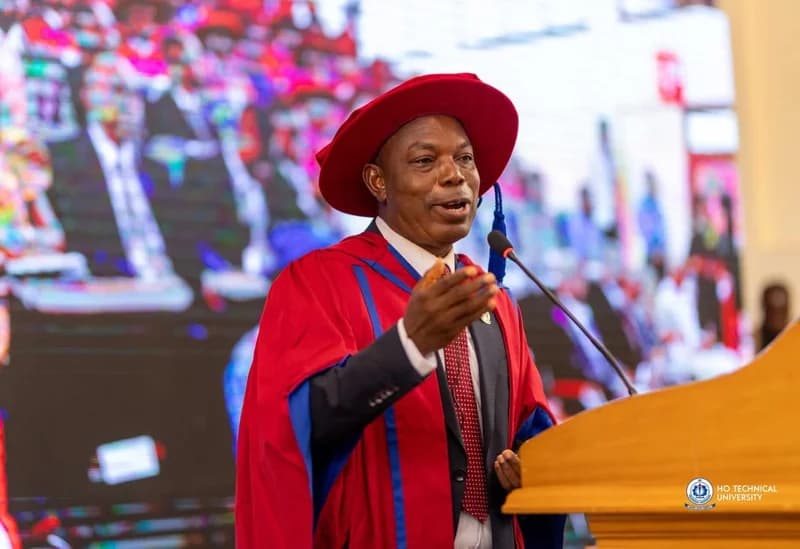
Professor Ben Q. Honyenuga, Vice-Chancellor of the Ho Technical University (HTU), has called on women engineers across Ghana to take a more active role in driving the nation’s sustainable development. Speaking at the fifth edition of the "WinEAffair," organized by Women in Engineering Ghana (WinE Ghana), Professor Honyenuga highlighted the critical necessity for innovation and integrity within the sector. Under the theme "Engineering a Sustainable Future: Women Leading the Way," he emphasized that the capability of women to address national challenges is essential for achieving long-term progress and environmental stewardship.
During his address, the Vice-Chancellor urged participants to look beyond their professional titles and focus on delivering practical, ethical, and inclusive solutions to societal issues. He argued that sustainable engineering must be community-centered, warning that technical decisions made in isolation can have unintended social consequences. By prioritizing innovation and community impact, Professor Honyenuga suggested that women engineers could bridge the gap between theoretical expertise and the real-world needs of the Ghanaian population.
Addressing the professional landscape, Professor Honyenuga encouraged young women to actively dismantle gender stereotypes that persist in the engineering fields. He stressed the importance of building robust professional networks and fostering mentor-mentee relationships to navigate career challenges. According to the Vice-Chancellor, fostering a culture of leadership and integrity is vital for ensuring that women are not only present in the industry but are actively leading projects and influencing policy in all engineering sectors.
The fifth WinEAffair serves as a platform to empower female professionals and students, highlighting the growing recognition of gender diversity as a catalyst for industrial growth. As Ghana continues to seek sustainable infrastructure and energy solutions, the call for inclusive engineering underscores a broader national shift toward leveraging all available human capital. Professor Honyenuga’s remarks conclude that the future of Ghana's infrastructure depends on a diverse workforce committed to ethical standards and the relentless pursuit of innovative excellence.