••
Mohamed Hamdan Dagalo sentenced to death for $396m medical fund theft
•2 min read•1 source
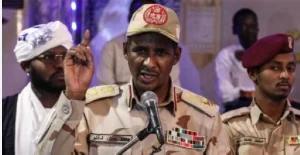
A Sudanese court has sentenced Mohamed Hamdan Dagalo, the leader of the paramilitary Rapid Support Forces (RSF) widely known as Hemedti, to death by hanging in absentia. The ruling, delivered in a case involving the looting of the nation’s medical supplies fund, found the commander guilty of financial crimes totaling approximately $396 million. This judgment marks the second death sentence handed down to the RSF leader by the Sudanese judiciary since the outbreak of hostilities between his forces and the national army.
Along with the RSF commander, the court issued death sentences for two of his brothers and 11 other individuals implicated in the same medical supplies scandal. The group was convicted of misappropriating state funds meant for the procurement and distribution of essential medicine and healthcare equipment. The trial proceeded in absentia as the defendants are currently leading the paramilitary campaign against the Sudanese Armed Forces, making their physical presence in the courtroom impossible under current conditions.
The medical supplies fund is a vital institution in Sudan, tasked with ensuring the availability of healthcare resources for a population already struggling with the impacts of a protracted conflict. The looting of $396 million represents a significant blow to the country's fragile health infrastructure. Observers note that these legal proceedings serve as part of a broader strategy by the state to hold the RSF leadership accountable for the economic and humanitarian collapse accompanying the civil war.
While the sentence is currently unenforceable due to the RSF's control over significant territory, it carries substantial political weight. The ruling complicates future peace negotiations by labeling the RSF leadership as convicted criminals rather than legitimate political actors. This development underscores the deepening divide between the warring factions and suggests that the central authorities are increasingly utilizing the legal system to apply pressure on paramilitary forces as the war enters a more entrenched phase.