••
Minister Haruna Iddrisu Champions Foundational Learning as GETFund and Infrastructure Projects Address Resource Deficits
•3 min read•5 sources
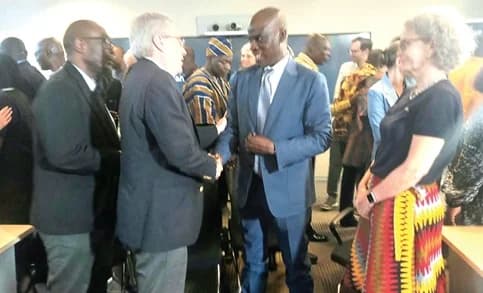
Ghana’s Minister of Education, Haruna Iddrisu, has underscored a strategic shift in the nation’s educational policy, prioritizing foundational learning in literacy and numeracy to ensure that rising enrollment figures translate into actual knowledge mastery. Speaking at the Ghana and Regional Foundational Learning Evidence and Implementation Support Day in Accra, the Minister highlighted that while gross enrollment at the kindergarten and primary levels is projected to exceed 100% by 2026, academic outcomes must be measured by grade-level competencies rather than just school attendance. This sentiment was echoed by World Bank Director for Ghana, Dr. Rob Taliercio, who commended the expansion of educational access but warned that low skills mastery contributes to a staggering 36.6% youth unemployment rate. To address this, a revised national curriculum incorporating digital skills and ethical values is currently awaiting Cabinet approval.
Simultaneously, the government is moving to resolve chronic infrastructure and resource gaps that hinder effective teaching. The Ghana Education Trust Fund (GETFund) has launched a nationwide Collective Furniture Appeal, an initiative aligned with President John Mahama’s education vision to mobilize multi-sectoral support for classroom equipment. This effort comes as Minister Iddrisu disclosed that approximately 10,700 public basic schools currently lack adequate facilities. In the Wa West District, a significant milestone in infrastructure development was recorded with the resumption of work on the Dorimon E-Block Community Day Senior High School. The project, which originally began during President Mahama’s first term but stalled for a decade, is now over 80% complete, with contractors expecting a handover by the end of October to relieve students of long travel distances.
However, the transition between administrations has sparked a debate over the availability of learning materials. Mr. Yaw Opoku Mensah, spokesperson for former Education Minister Dr. Yaw Osei Adutwum, has publicly challenged claims from the current Ministry regarding a lack of textbooks for the new curriculum. Citing official records, Opoku Mensah asserted that over 14 million core-subject textbooks—comprising 4.3 million for Junior High Schools and 9.5 million for primary schools—were procured and distributed nationwide. He urged current officials to verify these records to ensure political communication remains grounded in factual accuracy.
As the Mahama administration moves forward with its educational agenda, the focus remains on harmonizing infrastructure expansion with quality instructional delivery. The successful completion of long-stalled projects like the Dorimon E-Block and the mobilization of resources through the GETFund appeal are seen as essential steps toward creating a conducive environment for the Ministry's new focus on foundational learning. Moving forward, the government aims to leverage these investments and the upcoming revised curriculum to better prepare Ghanaian youth for the competitive demands of the modern workforce.
Related topic
John Mahama: Latest News & Updates →

