••
Haruna Iddrisu announces GH₵917m for No-Fees-Stress student policy
•2 min read•2 sources
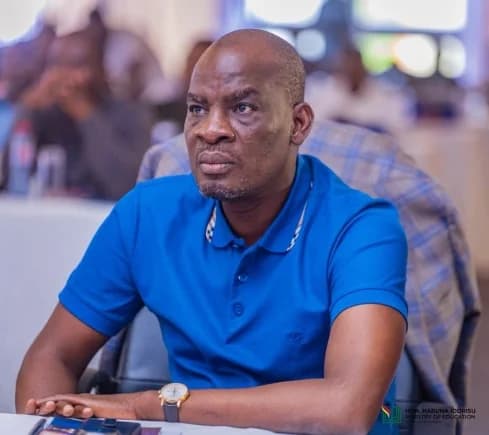
Education Minister Haruna Iddrisu has announced that the government has allocated GH₵917 million to fund the No-Fees-Stress Policy, a major initiative aimed at eliminating financial barriers for tertiary students. The program, which was launched by President John Mahama, has already supported 321,807 students in public and technical universities across the country. This funding is drawn from the Consolidated Fund as part of the Ministry of Education’s broader budgetary commitment to making higher education more accessible to all eligible Ghanaians.
A critical component of the policy involves the Students Loan Trust Fund (SLTF), which is providing bridge financing specifically for first-year students. This intervention ensures that prospective students who have been offered admission but lack the immediate funds for academic fees do not lose their placements. Under this arrangement, the SLTF advances the required fee deposits directly to the respective tertiary institutions. Eligible students can apply for this immediate support through the No-Fees-Stress Portal, allowing for a seamless transition into university life without the immediate burden of upfront costs.
The policy’s reach is extensive, encompassing various enhancements in student financing, including support for law students and future funding for medical education. While the implementation has faced some logistical challenges regarding the timely release of budgetary funds, the government emphasizes its ongoing commitment to the program. The initiative is designed to alleviate the financial burden on families while ensuring that financial constraints do not hinder academic progress.
The No-Fees-Stress Policy serves as a cornerstone of the Mahama administration's strategy to humanize the cost of higher education and increase the national tertiary enrollment rate. By shifting the immediate financial responsibility through the state-backed student loan and grant system, the government aims to create a more equitable academic environment. Officials maintain that this investment is a long-term strategy to develop a highly skilled workforce capable of driving Ghana's national development.
Related topic
John Mahama: Latest News & Updates →
