••
Haruna Iddrisu says 10,000 Ghanaian students study in Europe
•2 min read•2 sources
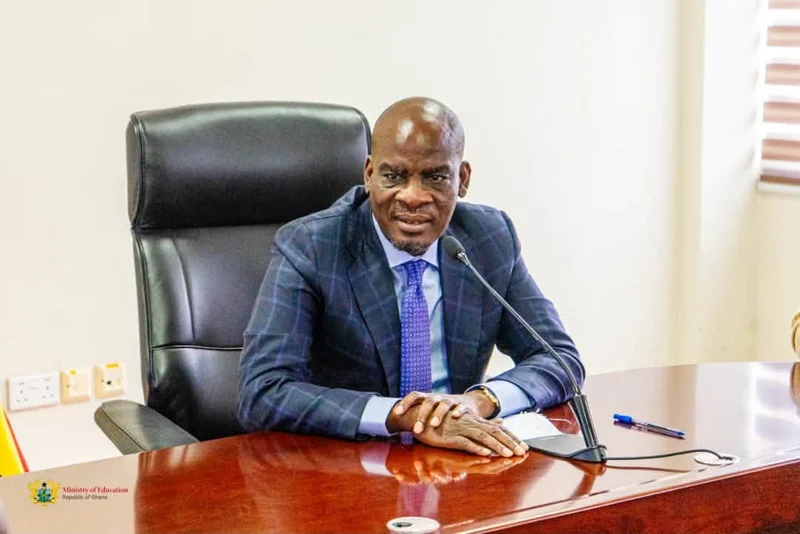
Minister of Education Haruna Iddrisu has announced that approximately 8,000 to 10,000 Ghanaian students are currently enrolled in higher education institutions across Europe. Speaking at the inaugural Study in Europe Fair held at the University of Ghana, Iddrisu highlighted the significant presence of Ghanaian scholars in countries such as Germany, France, the United Kingdom, Italy, Hungary, and the Nordic nations. The event, organized by the European Union Delegation to Ghana, serves as a platform to strengthen academic ties and provide information on international study opportunities.
The Minister noted that these students are pursuing degrees in critical sectors including engineering, medicine, public policy, social sciences, and emerging green technologies. He emphasized that this educational exchange is not merely about obtaining academic qualifications but is vital for acquiring technical skills and building global networks. According to Iddrisu, these competencies are essential for supporting Ghana’s national development goals and ensuring that the country remains competitive in a globalized knowledge economy.
The Study in Europe Fair aimed to connect prospective Ghanaian students with representatives from various European institutions. The event featured practical sessions such as application preparation workshops and CV clinics to help applicants navigate the admission processes of European universities. EU Ambassador to Ghana, Rune Skinnebach, spoke at the event, underscoring the fair’s role in making European education more accessible to Ghanaian youth. He described the initiative as a way to foster partnerships built on shared values and intellectual exchange between Ghana and the European Union.
The high number of students abroad reflects a broader trend of internationalizing Ghana's workforce through diverse educational pathways. By focusing on specialized fields like green energy and engineering, the government aims to bridge the domestic skills gap. The partnership with European nations is expected to continue providing Ghanaian youth with the necessary tools to contribute to the nation’s socio-economic growth upon their return, reinforcing the long-standing educational cooperation between the two regions.

