••
Hafiz Abdallah's Eight-Year Ordeal Highlights Ghana's Urgent Need for Mental Health Reform in Prayer Camps
•2 min read•1 source
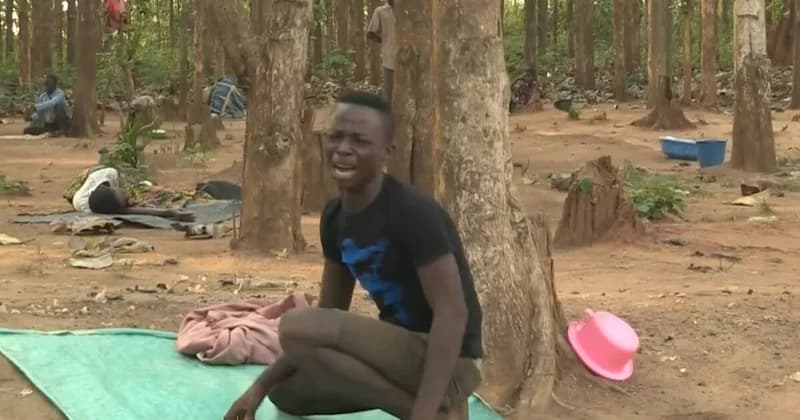
Hafiz Abdallah's story is a harrowing look at the intersection of mental health and traditional spirituality in Ghana. Having entered the Nyinbonya prayer camp at age eight, Hafiz is now sixteen and has yet to receive a formal clinical diagnosis for his behavioral issues. His mother, struggling to cope with his erratic behavior following the death of his twin brother, turned to spiritual intervention after exhausting her financial resources on herbal remedies. This case is not an isolated one; across Ghana, numerous children are growing up in similar facilities, often subjected to harsh conditions such as chaining and forced fasting, as their families interpret mental health struggles through a purely spiritual lens rather than a medical one. The reliance on prayer camps stems from a complex mix of cultural beliefs, social stigma, and a severe lack of accessible clinical services. Many families view mental illness as a spiritual affliction, leading them to prioritize religious healers over mental health professionals. Experts note that this preference is often reinforced by a lack of awareness regarding available medical treatments and the high cost of clinical care. In the absence of a robust community-based support system, prayer camps become the default sanctuary for the desperate, even when the treatment involves human rights violations that contradict the humane care mandated by Ghana’s Mental Health Act. Addressing this crisis requires a multifaceted approach that bridges the gap between the medical community and faith-based institutions. Clinical experts are calling for the integration of mental health care with traditional and religious practices, emphasizing that spiritual leaders must be trained to recognize mental health needs and refer cases to medical facilities. Furthermore, there is an urgent need for stronger government regulation and enforcement of existing laws to protect vulnerable children like Hafiz. By fostering collaboration between doctors and spiritual healers, and improving public education on mental health, Ghana can move toward a system where medical science and cultural values coexist to provide humane, effective care for all citizens.
