••
Hadiza highlights education barriers for millions of Nigerian children
•2 min read•1 source
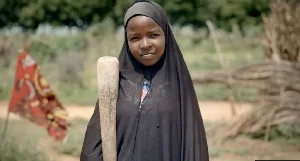
The story of 15-year-old Hadiza has emerged as a poignant symbol of the educational crisis facing millions of children across Nigeria. Despite a deep-seated desire to learn, Hadiza is among the vast number of Nigerian youth currently excluded from formal schooling. Her situation reflects a growing regional challenge where systemic barriers prevent children from accessing the basic right to an education, leaving many to find makeshift ways to keep their dreams of literacy alive.
For Hadiza, the reality of her daily life involves domestic labor, such as pounding millet, rather than sitting in a classroom. Even while performing these chores, her longing for education is evident as she sings the English alphabet to herself. Without access to pens, paper, or textbooks, she practices her writing skills by tracing letters on the ground. These solitary efforts highlight a determined spirit amidst circumstances that have prioritized immediate survival or traditional roles over academic development.
The obstacles preventing Hadiza and others from attending school are multifaceted and deeply entrenched. Poverty remains a primary driver, as many families cannot afford the costs associated with schooling or require their children's labor at home. Additionally, the threats of kidnapping and conflict in parts of Nigeria have made schools targets, leading to closures and fear among parents. Cultural factors, including the prevalence of child marriage, further truncate the educational journeys of young girls, often forcing them out of the school system permanently.
Without significant intervention, the lack of access to formal education threatens to trap another generation in a cycle of poverty and limited opportunity. Hadiza’s struggle underscores the urgent need for expanded educational infrastructure and stronger protections for children in the region. As millions of children continue to practice their lessons in the dust, the pressure grows on authorities to address the underlying economic and security issues that keep school gates closed to the country's youth.


