••
Dr. Akua Gyimah-Asante calls for improved referral systems for preterm babies
•2 min read•1 source
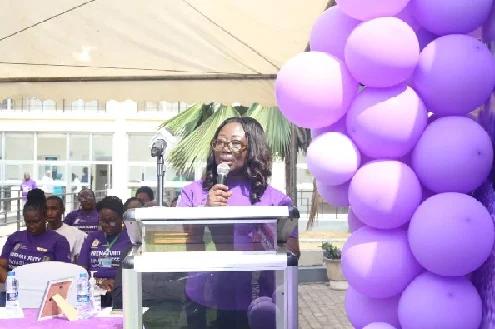
Dr. Akua Gyimah-Asante, the Medical Superintendent of Lekma Hospital, has advocated for a more robust healthcare referral system and equitable access to quality care for premature infants. Speaking during the 2026 World Prematurity Awareness Month celebrations, she emphasized that the survival and long-term health of preterm babies depend heavily on timely medical interventions and seamless coordination between healthcare facilities. The call highlights the urgent need to bridge gaps in Ghana's neonatal care delivery to ensure better outcomes for the most vulnerable patients.
Dr. Gyimah-Asante highlighted the unique complexities involved in caring for infants born before 37 weeks of pregnancy. She noted that these babies often require specialized equipment and highly trained medical personnel, making a functional and efficient referral network vital for their survival. According to the Medical Superintendent, healthcare providers must work in a more coordinated manner to ensure early identification of health risks and the prompt transfer of neonates to facilities equipped with the necessary neonatal intensive care units (NICU).
Beyond immediate medical care at the hospital level, the call for improvement extends significantly to post-discharge support. Dr. Gyimah-Asante urged the government and healthcare stakeholders to increase investments in neonatal healthcare to improve national survival outcomes. She stressed that care should not end when a baby is discharged; instead, there must be a continuous follow-up system to support both the infants and their families during the critical early months of development, ensuring that developmental milestones are monitored and addressed.
World Prematurity Awareness Month serves as an annual global platform to highlight the challenges of preterm birth, which remains a leading cause of death among children under five years old. By advocating for stronger systems and more equitable access to services, Lekma Hospital aims to reduce neonatal mortality rates in Ghana. The focus remains on ensuring that every premature baby, regardless of where they are born, has a fair chance at a healthy life through sustained institutional support and improved clinical pathways.
