••
West African Nations Confront Flood Disasters and Infrastructure Risks Amid Deadly Guinea Landslide
•3 min read•4 sources
West Africa is currently navigating a series of severe environmental and infrastructural challenges as nations across the sub-region respond to fatal disasters and prepare for imminent flooding risks. In Guinea, a tragic landslide at a rubbish tip in the capital, Conakry, has claimed at least 30 lives following a period of intense rainfall. The disaster, which occurred in the poverty-stricken Dar-es-salam district, buried several homes and left 22 others injured. Prime Minister Amadou Oury Bah visited the site to offer the government's condolences, noting that search and rescue operations are ongoing in an area that officials had previously identified for safety improvements.
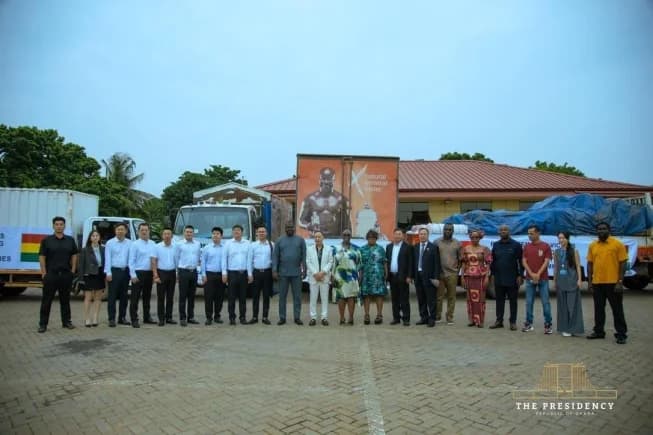
In Ghana, the government and private sector are mobilizing both to provide relief for past incidents and to prevent future flooding. The Sentuo Group Limited recently presented a substantial donation to the Jubilee House to support households affected by the floods of late June 2026. The consignment, which included 4,000 bags of rice, 800 bags of sugar, and 400 boxes of maize, was received by Chief of Staff Julius Debrah on behalf of the President John Mahama administration. This corporate social responsibility initiative, led by Group Chairman Ningquan Xu, aims to address food security and provide essential supplies to those displaced by previous seasonal rains.
To address the root causes of urban flooding in the capital, the Greater Accra Resilient and Integrated Development (GARID) Project has announced the temporary closure of the Dr Busia Highway for major drainage works. Starting September 7, 2026, the westbound carriageway from Pamprom Junction will be closed to facilitate the construction of a 1.5-kilometre double-cell underground stormwater drain. This critical infrastructure project is designed to improve stormwater management in the flood-prone Kaneshie area. While the first phase of the junction works is expected to conclude by December 2026, the road will remain subject to periodic closures until August 2027 to ensure the completion of the underground drainage network.
Adding to the regional urgency, SONABEL, the operator of the Bagre Dam in Burkina Faso, has issued an alert that controlled spillage is likely to begin as early as Friday, August 28, 2026. With water levels currently at 234.55 metres—approximately 94% of capacity—the dam is approaching the critical 234.75-metre threshold for discharge. The White Volta Basin Secretariat in Ghana is monitoring the situation closely, as the spillage typically leads to significant rises in water levels downstream. These intersecting events across Guinea, Burkina Faso, and Ghana underscore the growing necessity for robust urban planning and coordinated regional disaster management to protect lives and livelihoods against the increasing volatility of seasonal weather patterns.
Related topic
John Mahama: Latest News & Updates →