••
Guinea-Bissau cancels US-funded hepatitis B vaccine trial on newborns
•2 min read•2 sources
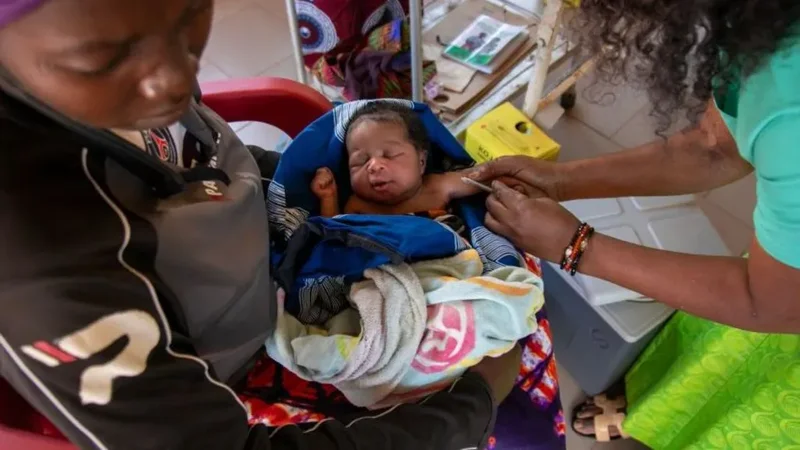
Authorities in Guinea-Bissau have halted a clinical trial funded by the United States government that sought to test hepatitis B vaccines on newborn infants. The decision to cancel the project follows significant ethical concerns raised both locally and internationally regarding the study's design. The research, which was being conducted through the Bandim Health Project, faced heavy criticism for its plan to withhold recommended vaccines from half of the participants to serve as a control group. This methodology was deemed particularly problematic by health experts given that Guinea-Bissau has a high prevalence of hepatitis B infection, making the withholding of preventative care a major risk to the infants involved.
The funding for the trial was linked to the U.S. government under the leadership of Health Secretary Robert F. Kennedy Jr. Critics and public health experts labeled the research design as neocolonialist, arguing that such a study would likely never be permitted in a Western nation with similar health standards. The ethical backlash centered on the "placebo" or control group being denied a World Health Organization (WHO) recommended lifesaving intervention. In response to the growing public outcry and potential risks, the Guinea-Bissau Judicial Police took direct action by seizing a batch of vaccines at the Bandim Health Project facility to ensure the trial could not proceed.
Local government officials have moved to distance themselves from the project, with the Health Minister stating that the trial had not received the necessary official approvals from the state. This statement directly contradicts any claims that the research was sanctioned or supported by Guinea-Bissau's medical regulatory bodies. Furthermore, the government emphasized that there is an existing prohibition on clinical trials involving children within the country to protect them from exploitation. The cancellation underscores the critical need for international research organizations to respect local laws and adhere to global ethical standards when conducting medical studies on vulnerable populations in Africa.
