••
Ghana Tertiary Education Commission suspends new PhD program approvals
•3 min read•3 sources
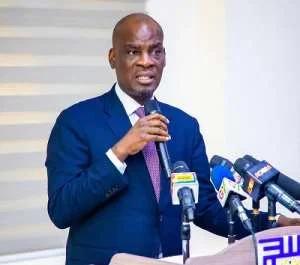
The Ghana Tertiary Education Commission (GTEC) has suspended the approval of new PhD programs across all tertiary institutions as it prepares to conduct a comprehensive nationwide audit of existing doctoral training. According to the Director-General of GTEC, Professor Ahmed Abdulai Jinapor, the decision is a response to growing concerns that universities are prioritizing student enrollment numbers over academic quality. The commission has identified instances where institutions admitted more students than their faculty and research facilities could adequately support, potentially compromising the integrity of advanced degrees in the country.
Professor Jinapor emphasized that the audit will evaluate key metrics including faculty-to-student ratios, the adequacy of research infrastructure, and the quality of supervision provided to doctoral candidates. He noted that some institutions have significantly exceeded their accredited student intake, with GTEC recently discovering a university that admitted students into a program that had not yet received formal accreditation. While the processing of new PhD applications is currently on hold, GTEC clarified that admissions into already accredited and existing doctoral programs may continue as normal.
The Minister for Education, Haruna Iddrisu, has expressed strong support for the commission's move, stating that the priority of the government is to ensure educational outputs align with national development needs. Speaking at a national conference, the Minister explained that the audit is not intended to discourage doctoral education but rather to enhance the credibility and international standing of Ghanaian PhD qualifications. He argued that it is essential to produce well-trained graduates who are equipped to contribute meaningfully to the economy, rather than simply increasing the volume of degree holders.
However, the directive has faced criticism from academic staff. The University of Ghana chapter of the University Teachers Association of Ghana (UTAG-UG) has described the blanket suspension as unfair. Dr. Jerry Joe Harrison, President of UTAG-UG, argued that GTEC should evaluate applications on a case-by-case basis rather than imposing a sector-wide freeze. He suggested that institutions that have invested heavily in facilities and met all regulatory requirements should not be penalized for the failures of other universities. Dr. Harrison also raised questions regarding the level of consultation between GTEC and academic stakeholders before the policy was implemented.
This audit represents a significant step in GTEC’s efforts to strengthen regulatory oversight within Ghana’s higher education sector. By ensuring that doctoral training adheres to strict standards of faculty availability and supervision, the commission aims to prevent the "mass production" of low-quality degrees. The outcome of the nationwide review is expected to determine the future criteria for PhD program approvals and may lead to new guidelines for institutional capacity and enrollment limits.


