••
Ghana Tertiary Education Commission inaugurates 12-room guest lodge
•2 min read•1 source
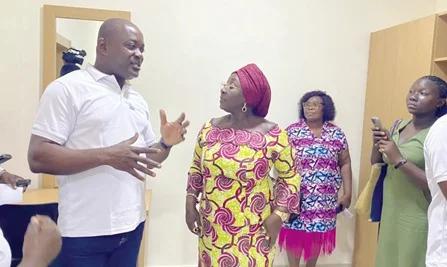
The Ghana Tertiary Education Commission (GTEC) has officially inaugurated a new 12-room guest lodge located directly on its premises. This facility is intended to serve as a primary accommodation hub for stakeholders and official visitors, representing a strategic move by the commission to streamline its administrative operations and enhance its hospitality infrastructure. By hosting guests internally, the commission expects to significantly reduce its reliance on external hotel services and the high costs associated with them.
Speaking at the opening ceremony, the Director-General of GTEC, Professor Ahmed Jinapor Abdulai, emphasized that the lodge would provide a dual benefit of operational efficiency and financial prudence. He noted that the facility would save both time and costs for visiting officials engaged in regulatory duties or collaborative projects. Beyond cost-saving measures, Professor Abdulai stated that the lodge would function as a new revenue stream for the commission, allowing it to leverage its assets to support its broader mandate in the tertiary education sector.
The inauguration ceremony also featured remarks from the Tourism Minister, Abla Dzifa Gomashie, who underscored the necessity of maintaining high standards of service and maintenance within the new facility. She highlighted that such initiatives align with Ghana's broader tourism development goals by expanding quality accommodation options. Gomashie urged the management of GTEC to ensure the lodge is run with professional hospitality standards to reflect the commission's reputation as a leading regulatory body.
This project marks a significant step for GTEC as it seeks to manage its resources more effectively amid evolving economic demands. The 12-room facility is expected to become a model for other state agencies looking to optimize their land use and reduce recurrent expenditure on external hospitality. As the commission continues its work in overseeing the quality of higher education in Ghana, the guest lodge will serve as a practical asset in facilitating more frequent and cost-effective engagements with educational stakeholders from across the country.