••
Grindr Agrees to £26 Million Settlement Over Allegations of Sharing Users' HIV Status with Third Parties
•2 min read•1 source
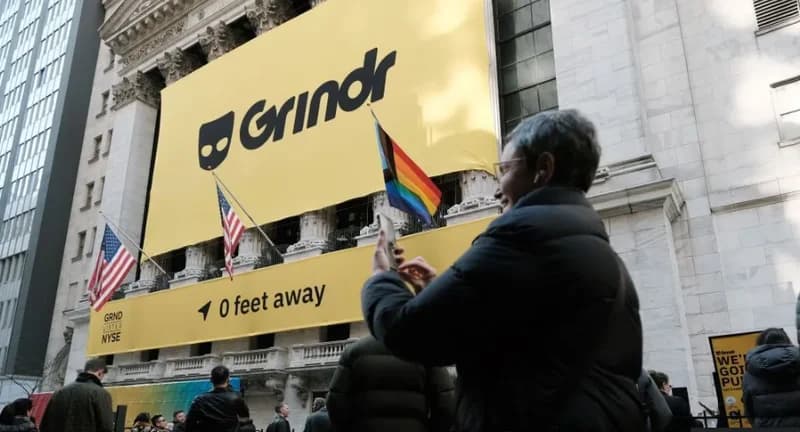
Grindr, the prominent social networking app for the LGBTQ+ community, has agreed to a £26 million settlement to resolve a class action lawsuit centered on the alleged misuse of sensitive user information. The legal action claimed that the platform improperly shared deeply personal data, including users' HIV status and last test dates, with third-party analytics services. The settlement, which will be paid out in two installments of £13 million, marks a significant conclusion to a long-standing legal dispute regarding privacy rights and the commercialization of sensitive health data.
The allegations at the heart of the lawsuit primarily concern the period before 2020, during which the application was owned by the Chinese firm Kunlun. During this era, the platform was accused of transmitting highly sensitive user metrics to third-party data analytics firms for commercial purposes. This practice reportedly continued until significant public backlash and intensifying regulatory pressure forced a shift in the company's operations. The lawsuit emphasized the vulnerability of users who shared intimate health details under the expectation of privacy, only to have that data potentially utilized for targeted advertising or data profiling.
While Grindr has consistently disputed the legal allegations of wrongdoing, the company acknowledged the significant distress these claims caused to its global user base. Since transitioning to new ownership in 2020, the company maintains that it has implemented rigorous improvements to its data handling practices and privacy protocols. This settlement follows a history of regulatory scrutiny for the app; Grindr has previously faced substantial fines from data protection authorities in both Norway and the United Kingdom for similar lapses in data security and consent management.
The resolution of this case underscores the increasing legal and financial risks tech companies face when handling sensitive health and personal information. For the users involved, the settlement provides a measure of accountability for the alleged breach of trust. As data privacy regulations tighten globally, this case serves as a landmark reminder of the necessity for digital platforms to prioritize user confidentiality over commercial data-sharing agreements, particularly when dealing with information as sensitive as an individual's medical status.