••
Grindr to Pay £26 Million Settlement Over Alleged Sharing of Users' HIV Status and Personal Data
•2 min read•1 source
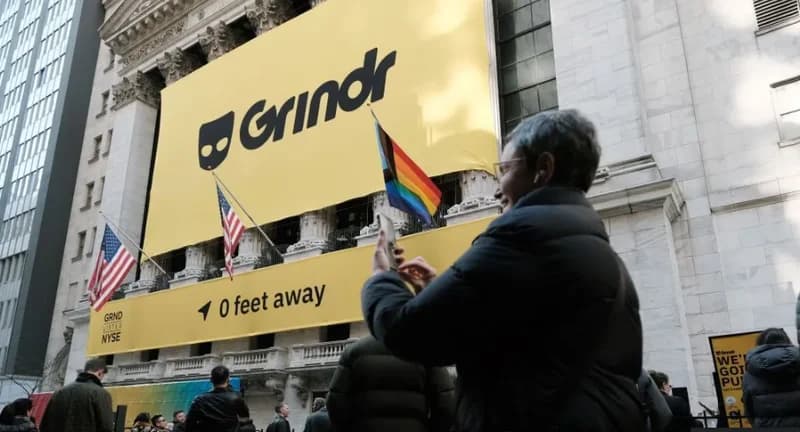
Grindr, the prominent social networking platform for the LGBTQ+ community, has agreed to a £26 million settlement to resolve a class-action lawsuit centered on the alleged misuse of sensitive user data, including HIV status. The agreement, which consists of two separate payments of £13 million, addresses long-standing claims that the app shared private health information with third-party data analytics services for commercial gain. This settlement represents a major development in digital privacy litigation, particularly concerning the protection of sensitive medical and personal data within social media environments. The legal dispute originates from practices that occurred primarily before 2020, when Grindr was under the ownership of Kunlun, a Chinese technology firm. During this period, the platform was accused of exposing the private health status of its users to external entities without sufficient transparency or consent. This practice sparked significant public outcry and led to increased scrutiny from international privacy advocates. Since 2020, the app has reportedly ceased these specific data-sharing practices and has taken steps to enhance its internal privacy protocols to better safeguard user information. Despite the substantial settlement, Grindr has maintained a position of disputing the specific allegations of legal wrongdoing. However, the company’s leadership acknowledged the distress caused to its members and expressed a commitment to improving user trust. The company has a history of regulatory challenges regarding its data handling; it was previously sanctioned and fined by data protection authorities in both the United Kingdom and Norway. These past penalties highlighted systemic issues in how the platform managed consent and the transfer of personal data to third parties. The resolution of this case underscores the growing legal and financial risks for technology companies that fail to implement rigorous data protection standards, especially regarding health-related information. It serves as a critical reminder that digital platforms are increasingly being held accountable for the ethical management of user metadata. As data privacy laws continue to evolve globally, this settlement marks a significant milestone for user rights and the expectation of confidentiality in the digital age, particularly for marginalized communities who rely on these platforms for connection.