••
Gramps Morgan Rejects Cannabis Stereotypes, Stating He Has Never Smoked Despite Rastafarian Faith
•2 min read•1 source
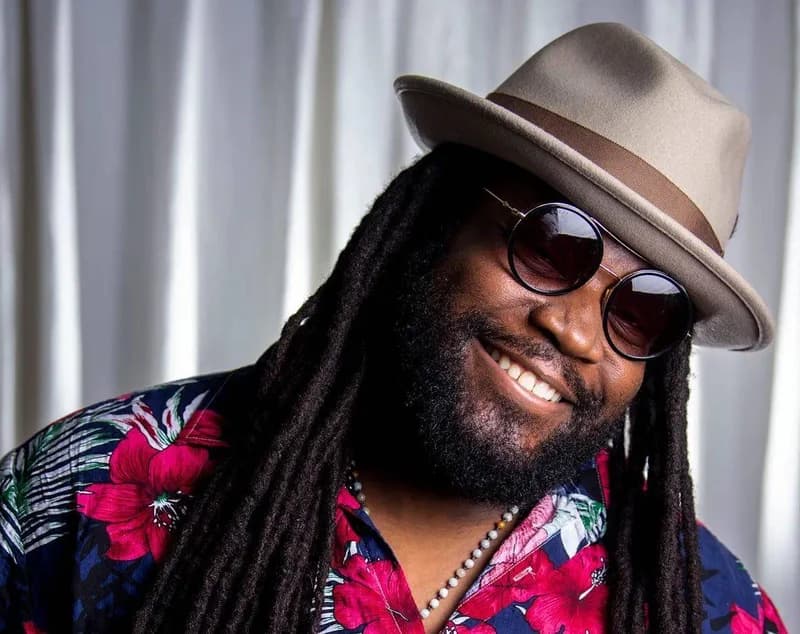
Jamaican-American singer-songwriter Gramps Morgan has challenged long-standing cultural assumptions by revealing that he has never smoked "ganja" in his life, despite his identity as a devout Rastafarian. Speaking in an interview with 3Music, the Grammy Award-winning member of the legendary reggae group Morgan Heritage emphasized that cannabis use is not a prerequisite for the Rastafari faith. Morgan's disclosure serves as a significant departure from the popular imagery often associated with both his religion and the reggae music genre, sparking a conversation about the diversity of practice within the movement.
Morgan explained that for him, Rastafari is primarily a spiritual movement characterized by diverse interpretations and personal practices. He noted that his decision to abstain from smoking is rooted in both spiritual conviction and professional discipline, specifically citing the need to protect and preserve his voice for his musical career. By separating the use of cannabis from the core tenets of his spirituality, Morgan aims to broaden the public's understanding of Rastafarianism beyond the stereotypes that have dominated global perceptions for decades.
Beyond his personal habits, the singer urged other artists within the reggae and dancehall spheres to resist the pressure to conform to industry-driven lifestyle tropes. He argued that these genres should not be defined by themes of drug use, violence, or vulgarity. Instead, Morgan advocated for a focus on positive messaging and constructive themes that can provide better guidance to young audiences. He asserted that the quality of one's music and the depth of one's spirituality are entirely distinct from the personal choice of whether or not to use substances.
By speaking out, Gramps Morgan joins a nuanced conversation about the evolution of reggae culture and the Rastafari movement in the 21st century. His stance underscores a commitment to artistic integrity and social responsibility, positioning himself as a role model who prioritizes vocal health and positive influence over cultural clichés. His message remains clear: the power of reggae lies in its message of peace and spirituality, rather than the substance use that has traditionally been associated with the genre.
