••
Grace Ayensu-Danquah urges integration of traditional medicine into healthcare
•2 min read•2 sources
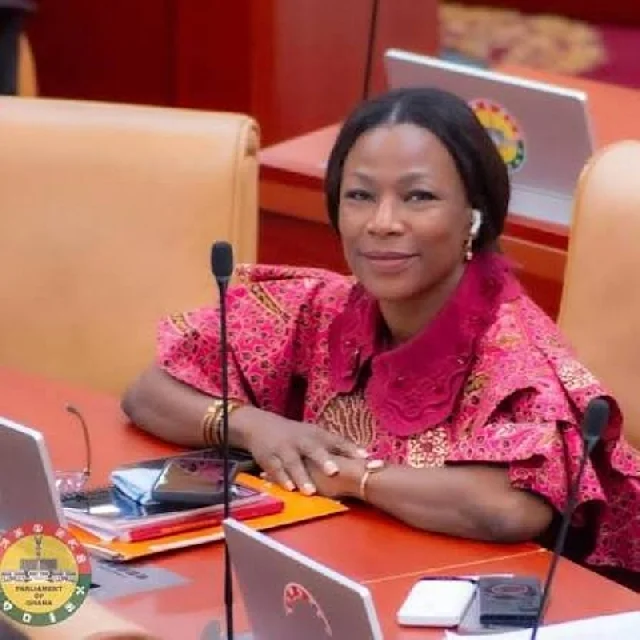
Deputy Minister of Health, Prof. Dr. Grace Ayensu-Danquah, has called for the research-driven integration of traditional medicine into Ghana's Universal Health Coverage (UHC) framework. Speaking during the joint celebration of the 24th African Traditional Medicine Day and the 27th Ghana Traditional Medicine Week in 2026, she emphasized that indigenous knowledge is a critical pillar for achieving comprehensive healthcare access across the country and the wider African continent.
The Ministry of Health reported significant progress in institutionalising traditional healthcare services within the formal sector. Currently, Ghana has established herbal medical units in 55 public hospitals and has trained approximately 600 medical herbalists to provide professional services. Dr. Ayensu-Danquah noted that these efforts are designed to ensure that the quality and safety of herbal treatments meet international standards through scientific validation and standardized practice.
A central theme of the Deputy Minister's address was the necessity of combining indigenous knowledge with rigorous scientific research. She advocated for increased investment in the regulation of traditional healthcare and the systematic documentation of medicinal plant knowledge to prevent its loss. Dr. Ayensu-Danquah also highlighted the importance of supporting local manufacturing of herbal products to strengthen the national health system and reduce reliance on imported pharmaceuticals.
The Deputy Minister's commitment to this cause is partly personal, as she acknowledged the influence of her late uncle, the renowned botanist Professor Edward Ayensu, on her perspective. Looking forward, the Ministry aims to continue expanding herbal services across more healthcare facilities. By fostering collaboration between traditional practitioners and modern medical professionals, the government seeks to create a more inclusive and resilient health delivery system for all Ghanaians.
