••
Dr Grace Armstrong warns of high mercury levels in Pra and Ankobra rivers
•2 min read•2 sources
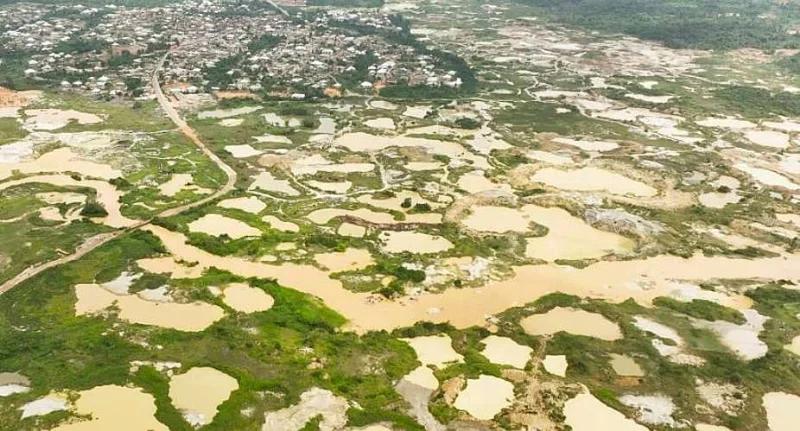
A baseline study has revealed significant mercury contamination in the sediments of the Pra and Ankobra rivers, raising urgent concerns about the environmental impact of illegal small-scale mining. Presented at the Ambassador’s Water Experts Programme symposium, the findings highlight the persistent threat posed by mining activities near major water bodies. Lead researcher Dr. Grace Armstrong reported that while current drinking water and fish samples from these areas still meet safety guidelines, the high concentration of mercury in riverbed sediments represents a significant health concern due to its toxic effects and potential to spread downstream.
The pollution is largely attributed to the extensive use of mercury in the artisanal and small-scale gold mining sector, where an estimated 42.5 to 62 tonnes of the toxic metal are used annually. Experts at the symposium warned that if current pollution levels are not curtailed, Ghana faces a critical risk of needing to import potable water to meet domestic needs. Despite a $10 million investment in mercury-free gold processing equipment, adoption remains low among local miners. These specialized machines, priced at approximately $113,000 each, are currently beyond the financial reach of many operators, leading to continued reliance on hazardous traditional methods.
Addressing the crisis requires a shift toward more affordable, locally manufactured technology and stricter regulatory enforcement. Participants at the symposium, which brought together experts from both Ghana and the United States, emphasized that community engagement is vital for transitioning to sustainable mining practices. While the government's previous investments aimed to promote responsible mining, the high cost of imported equipment remains a significant barrier. Experts recommended that the state facilitate the production of cheaper alternatives and provide better financial support to help miners move away from mercury-based processing.
The findings from the Pra and Ankobra basins serve as a stark warning of the broader environmental challenges facing Ghana's water bodies. Dr. Armstrong and other specialists stressed that the contamination in sediments represents a long-term risk to the ecosystem. To prevent a national water crisis, the symposium concluded that there must be an immediate, multi-sectoral response that balances the economic contributions of the mining sector with the essential need to protect the nation’s primary water sources.
Live rates
Ghana gold price →