••
GPRTU highlights missing road signs ahead of TRAFFITECH-GH enforcement
•2 min read•1 source
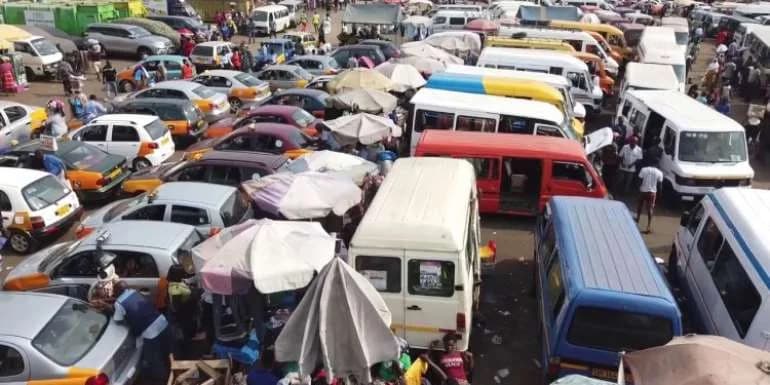
The Ghana Private Road Transport Union (GPRTU) has voiced significant concerns regarding the state of the country’s road infrastructure as the Ghana Police Service prepares to implement the TRAFFITECH-GH enforcement system. The union warned that the automated system, designed to capture traffic violations through technology, may face challenges due to widespread deficiencies in road markings and signage. According to the GPRTU, enforcing strict regulations without providing the necessary physical guides for drivers could lead to unfair penalties and ineffective traffic management. Samuel Amoah, the Deputy Communications Director for the GPRTU, highlighted specific areas requiring urgent attention, including the lack of designated bus stops and clearly defined pedestrian pathways. He argued that these infrastructural gaps often force drivers into technical violations that the TRAFFITECH-GH system will be programmed to penalize. While the police have indicated that the initial phase of the rollout will concentrate on red-light violations and speeding, the union maintains that a more holistic approach is required to ensure that drivers can realistically comply with the law. Beyond the physical infrastructure, the GPRTU is advocating for a paradigm shift in how traffic enforcement is perceived and executed. The union expressed fears that the new system might be overly focused on revenue generation through traffic fines rather than the fundamental goal of improving road safety. Mr. Amoah emphasized that the primary objective of any enforcement measure should be to foster a culture of compliance and safety, which can only be achieved if the roads themselves are properly equipped to guide motorists. To bridge the gap between enforcement and compliance, the GPRTU is calling for a robust driver education campaign to accompany the technological rollout. The union believes that informing drivers about the nuances of the TRAFFITECH-GH system and traffic regulations will yield better long-term results than punitive measures alone. As the government and police move forward with the implementation, the transport body remains hopeful that their calls for improved infrastructure will be addressed to ensure a fair and effective transition to automated traffic policing.
