••
GPRTU and GRTCC cancel sit-down strike over roadside trading
•2 min read•1 source
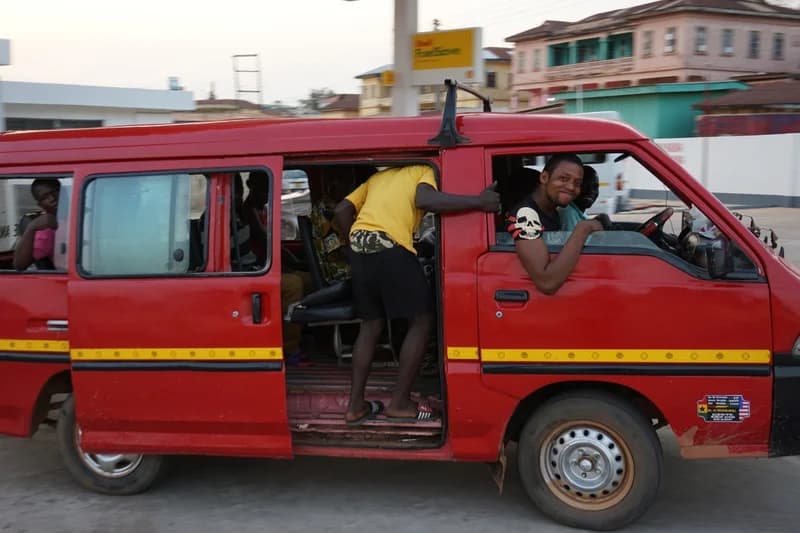
The Ghana Private Road Transport Union (GPRTU) and the Ghana Road Transport Coordinating Council (GRTCC) have suspended their planned sit-down strike following a series of successful negotiations with government ministers. The decision, reached during a high-level meeting on November 3, 2026, aims to avert a major disruption in national transportation while providing a window for the government to address the unions' concerns regarding unauthorized trading on road corridors. Transport operators had expressed growing frustration over the proliferation of traders on road shoulders and pedestrian walkways, which they argue significantly hinders traffic flow and poses safety risks to both drivers and passengers. Central to the agreement is the formation of a specialized committee tasked with identifying and resolving these issues. The ministers assured the transport unions that the committee would be deployed to map out the most affected areas and develop a concrete roadmap for clearing these corridors. This collaborative approach was welcomed by the union leadership, who had previously felt that their concerns regarding road congestion and the obstruction of commercial vehicle operations were being overlooked by the authorities. The committee's findings are expected to serve as the basis for a more permanent solution to the management of Ghana's road networks. Despite calling off the immediate action, the leadership of the GPRTU and GRTCC emphasized that the suspension of the strike is conditional. They have granted the government a 30-day grace period to demonstrate tangible progress in addressing their grievances. The unions warned that they remain ready to mobilize their members for renewed industrial action if the established committee fails to provide a satisfactory resolution within the stipulated timeframe. For now, the agreement ensures that public transport services will continue uninterrupted, providing relief to commuters across the country while the 30-day monitoring period begins.

