••
Goosie Tanoh Announces 150-Acre Air Cargo Hub at Tamale Airport to Drive Agricultural Exports and 24-Hour Economy
•2 min read•1 source
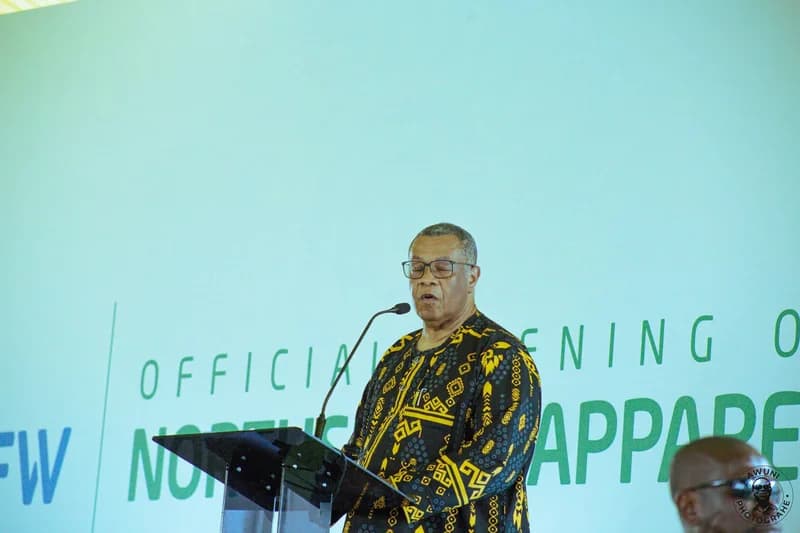
The Government of Ghana has announced plans to develop a 150-acre air cargo hub at the Tamale International Airport, a strategic move designed to transform Northern Ghana into a major export gateway. Mr. Goosie Tanoh, the National Coordinator for the 24-Hour Economy Secretariat, revealed the project as a cornerstone of President John Mahama’s signature 24-hour economy initiative. The facility is specifically tailored to enhance the export of high-value agricultural products, such as vegetables and fruits, from the northern regions to lucrative international markets, thereby bridging the gap between local production and global demand. Speaking at the inauguration of Northshore Apparel Ghana Limited—a new export garment factory in Savelugu—Mr. Tanoh emphasized that the air cargo hub is not an isolated project but part of a broader, integrated economic system. This system aims to unify agriculture, manufacturing, energy, and logistics to create a seamless value chain. A key component of this strategy is the establishment of an agriculture corridor to facilitate commercial-scale production and provide smallholder and commercial farmers with direct access to the infrastructure needed for global trade. To ensure the sustainability of these industrial and agricultural developments, the government is also advancing a 1.5-gigawatt solar power plant project. This renewable energy infrastructure is intended to provide the reliable, cost-effective power necessary to support 24-hour operations in regional manufacturing and processing plants. The initiative has received international recognition, with the German Ambassador to Ghana, Mr. Frederik Landshof, commending the strategic focus on sustainable development and affirming Germany’s continued support for Ghana's economic transformation. The development of the Tamale air cargo hub and its associated infrastructure is expected to be a significant driver of job creation and economic revitalization in northern Ghana. By shifting the regional economy toward a production and export-led model, the government aims to increase national productivity and ensure that the benefits of the 24-hour economy reach beyond the capital. As the project progresses, it is positioned to serve as a catalyst for further private sector investment in the logistics and agribusiness sectors, cementing Tamale's role as a vital economic node.
Related topic
John Mahama: Latest News & Updates →
