••
Tourism Minister Abla Dzifa Gomashie Commends Bono Manso for Environmental Stewardship and Cultural Preservation
•2 min read•1 source
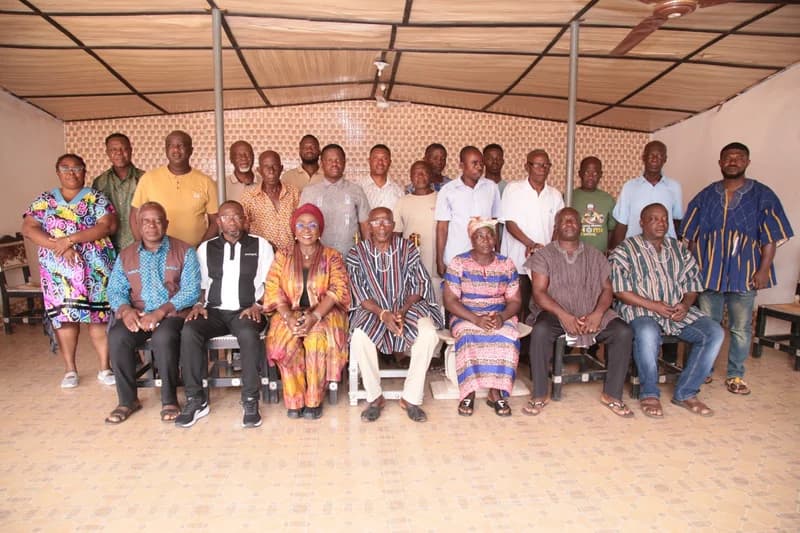
Minister for Tourism, Culture and Creative Arts, Hon. Abla Dzifa Gomashie, has lauded the residents of Bono Manso for their exemplary commitment to environmental preservation and cleanliness. During a working visit to the area, she highlighted that the community’s dedication to maintaining green vegetation is a cornerstone for sustainable tourism development in Ghana. The visit underscores the government's focus on leveraging both natural and historical assets to boost the nation’s tourism profile and economic potential.
The Minister’s tour included several prominent historical and cultural landmarks, notably the Tanor Buasi Secret Growth, the historic Bono Manso slave market, and local waterfalls. She emphasized that these sites are not only repositories of national history but also vital drivers of growth if properly managed and conserved. Beyond the physical landscape, Hon. Gomashie stressed the importance of intangible heritage, particularly the promotion and documentation of the Bono language. She encouraged the community to safeguard their linguistic identity as a way to strengthen regional pride and attract cultural tourists interested in authentic Ghanaian history.
While the community received the Minister’s commendations with gratitude, local leaders and traditional authorities took the opportunity to highlight pressing challenges facing the area. The Chief of Bono Manso and other local representatives expressed appreciation for existing government initiatives but called for urgent interventions in infrastructure. Specifically, they noted the need for improved road connectivity, better communication facilities, and direct support for site development to enhance the region's appeal to both international and domestic visitors.
The visit by Hon. Abla Dzifa Gomashie serves as a significant call to action for both the local community and national stakeholders to prioritize the intersection of conservation and commerce. By aligning environmental stewardship with cultural preservation, Bono Manso is positioned to become a significant hub for heritage tourism. Moving forward, the success of this vision will depend on a collaborative effort to address the infrastructure gaps identified by local leaders, ensuring that the region's unique natural and historical offerings are accessible to all.