••
GoldBod injects US$130m to stabilize cedi against the dollar
•2 min read•2 sources
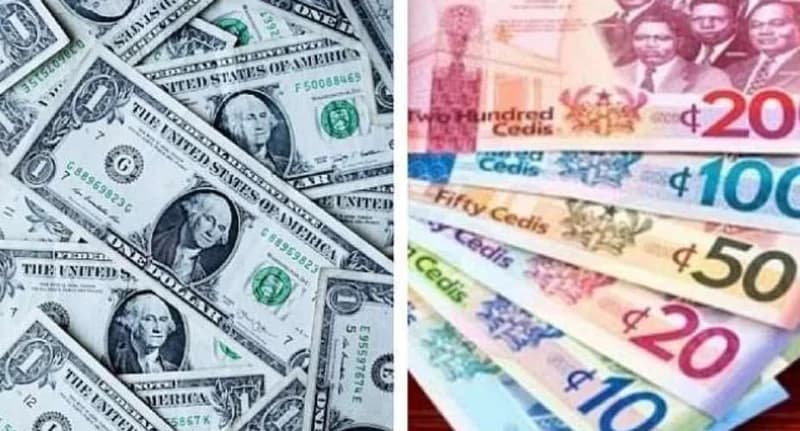
GoldBod has injected US$130 million into the foreign exchange market, providing a necessary reprieve for the Ghanaian cedi. This intervention is part of a strategic effort to stabilize the local currency, which has faced consistent pressure throughout the year. Following the injection, the cedi showed signs of a modest recovery, holding steady at retail rates between GH₵12.10 and GH₵12.25 against the US dollar.
The impact of the injection was felt across major trading currencies, with the cedi recording an appreciation of 1.20% against both the US dollar and the British pound sterling. It also saw a slight gain of 0.16% against the euro. At forex bureaus, the currency was quoted at GH₵11.95 for purchases and GH₵12.25 for sales, while the interbank market saw even more favorable rates, trading at GH₵11.65 for buying and GH₵11.67 for selling.
This US$130 million supply is the first step in a broader intervention program by GoldBod, which plans to supply a total of US$1.5 billion to the market. This large-scale liquidity support is aimed at reversing the cedi's fortunes after a difficult period that saw a year-to-date loss of approximately 9.0%. Market analysts noted that such a consistent supply of foreign exchange is vital for meeting corporate demand and dampening inflationary pressures.
While the current intervention has provided immediate relief, the long-term stability of the cedi remains a priority for the administration under President John Mahama. As the government works to strengthen economic fundamentals, the execution of GoldBod’s billion-dollar roadmap will be closely monitored by the business community. The stabilization of retail rates offers a hopeful sign for a more predictable economic environment in the final quarter of the year.
Related topic
John Mahama: Latest News & Updates →Live rates
Pound to cedi rate →