••
Dr. Godfred Seidu Jasaw and Krachi East MCE Call for Sustained Investment in Africa’s Food Systems
•2 min read•2 sources
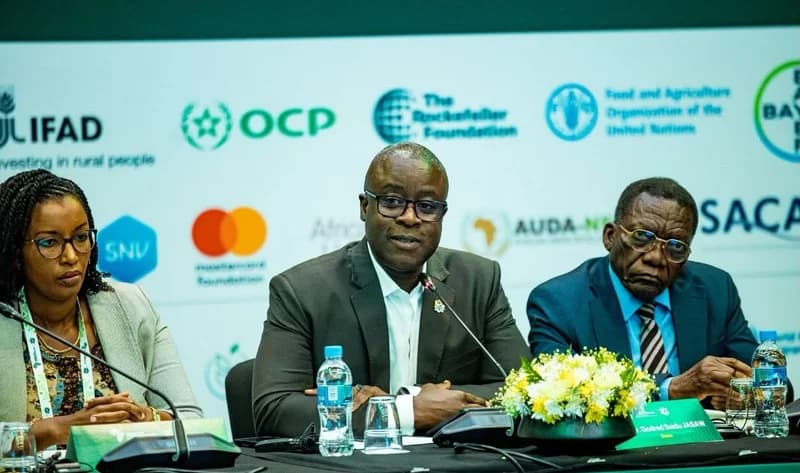
The push for robust agricultural transformation in Africa took center stage this week as leaders and policymakers emphasized the critical need for domestic investment and local implementation to ensure food security. At the Africa Food Systems Forum held in Kigali, Rwanda, Dr. Godfred Seidu Jasaw, Chairman of Ghana’s Parliamentary Committee on Food and Agriculture, issued a clarion call for African governments to prioritize food systems. This high-level advocacy comes as local success stories, such as the 'Nkoko Nkitinkiti' poultry initiative in Ghana’s Krachi East Municipality, demonstrate the tangible impact of targeted agricultural support on household incomes and local economies.
Speaking at the Kigali summit, Dr. Jasaw highlighted that domestic investments in food systems across the continent remain critically low. He urged governments to develop attractive, strategic investment plans that encourage financial institutions to support the sector. The forum, which focused on job creation and strategic partnerships, underscored the vital role of young entrepreneurs in driving agricultural innovation. Dr. Jasaw noted that with the right government support, youth-led agribusinesses could become commercially viable engines of growth, transforming the continent’s agricultural landscape from subsistence-based to a modern, value-added industry.
Evidence of such transformation is already emerging at the grassroots level through the "Feed Ghana" project. In the Krachi East Municipality, Municipal Chief Executive (MCE) Safo Nketia reported the successful distribution of 10,000 birds to 250 households under the 'Nkoko Nkitinkiti' initiative. The project has not only boosted poultry rearing for food and income among residents but has also catalyzed the local economy. The surge in poultry farming has led to the establishment of new feed shops in the area, creating additional business opportunities and a more resilient agricultural ecosystem. Nketia expressed gratitude to President John Dramani Mahama and the Ministry of Food and Agriculture for the initiative, noting its role in empowering local families.
The success in Krachi East serves as a practical model for the broader policy goals discussed by Dr. Jasaw on the continental stage. While the distribution of livestock provides immediate relief and economic stimulus, both leaders agree that the long-term sustainability of these programs hinges on consistent funding and the integration of innovative practices. Moving forward, the focus remains on expanding these initiatives to reach more households while building the financial frameworks necessary to transition African agriculture into a highly productive and youth-inclusive sector.
