••
GNFS Uncovers Fire Safety Gaps in Ministries Enclave Amidst Ghana Police Interdictions and Modernization Efforts
•3 min read•6 sources
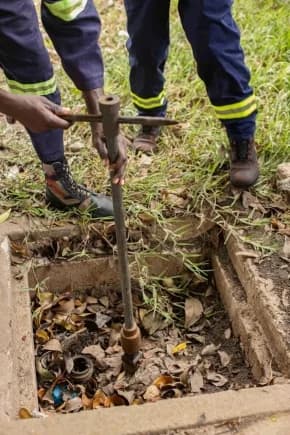
A joint inspection by the Greater Accra Regional Fire Command and Ghana Water Limited (GWL) has revealed a critical safety risk in the heart of the capital, with 23 out of 30 fire hydrants in the Ministries enclave found to be non-functional. Only five hydrants were confirmed to have high water pressure, while two others exhibited low pressure. Notably, the Controller and Accountant General’s Department (CAGD) was found to lack a fire hydrant entirely. Regional Fire Officer ACFO II Rashid Nisawu has urgently called on the CAGD management to coordinate with the Ghana National Fire Service (GNFS) for immediate installation and repair of these facilities to ensure the enclave is prepared for the upcoming peak fire season.
While infrastructure gaps pose one challenge to public safety, the Ghana Police Service is simultaneously addressing internal integrity issues through the interdiction of seven officers following allegations of extortion in Accra. The personnel, including Inspector Courage Boateng, Sergeant Stephen Addo, and several corporals and constables, are accused of forcing a civilian to withdraw cash from an ATM during a patrol. This disciplinary action precedes a formal investigation by the Police Professional Standards Bureau. These developments have coincided with public calls for higher standards of accountability, with media figures and President John Mahama highlighting the necessity of verifying law enforcement credentials and maintaining a civil public discourse in the face of rising misinformation.
To counter these challenges and modernize operations, the police service is investing heavily in tactical and technological upgrades. The French Embassy recently concluded a two-week counter-terrorism workshop for the Police Counter Terrorism Unit (CTU), focusing on modern operational skills to combat regional threats. Additionally, the Motor Traffic and Transport Department (MTTD) has completed nationwide training for the Traffitech-GH project. This initiative, scheduled for a full launch on October 1, 2026, will utilize automated camera systems to identify traffic offenders and issue notices of violation, marking a shift toward more transparent and technology-driven enforcement.
These collective efforts reflect a broader push for institutional reform across Ghana’s safety and security sectors. Whether through the restoration of vital water infrastructure in government zones or the introduction of automated policing tools, the focus remains on enhancing emergency response and restoring public trust. As the GNFS works to repair faulty hydrants and the police service prepares for its digital transition, these initiatives represent essential steps toward safeguarding lives and property while ensuring personnel remain accountable to the citizens they serve.
Related topic
Ghana Fire Service Recruitment: Latest News Today →

