••
Pre-tertiary teacher unions suspend nationwide strike
•2 min read•9 sources
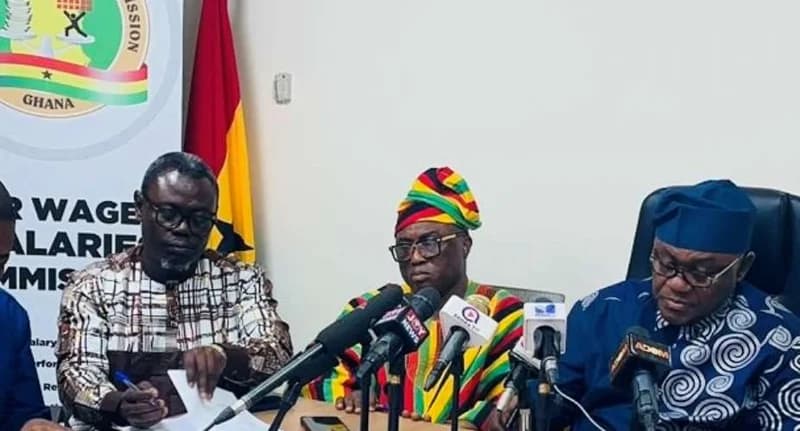
Three major pre-tertiary teacher unions—the Ghana National Association of Teachers (GNAT), the National Association of Graduate Teachers (NAGRAT), and the Pre-Tertiary Teachers’ Association of Ghana (PRETAG)—have suspended their nationwide industrial action. Following successful negotiations with the Fair Wages and Salaries Commission (FWSC), the unions have directed their members to return to classrooms on Monday, October 12. The strike, which had been in effect for two weeks, was launched to protest unresolved grievances regarding unpaid promotion arrears and the implementation of several key teacher allowances.
As part of the consensus reached with government representatives, a specific payment schedule has been established to address the unions' financial demands. The government has committed to paying promotion-related arrears for approximately 51,000 teachers by October 16. Furthermore, authorities have pledged to implement a deprived area allowance by January 2027, a long-standing demand intended to improve teacher retention in remote and under-served regions. GNAT President Prosper Tachie emphasized that the suspension of the strike is tied to these commitments, and the union is now advocating for the finalization of explicit implementation procedures for these conditions of service to ensure future agreements are fully honored.
Despite the return to work, the unions have made it clear that the suspension is conditional on the government’s adherence to the agreed timelines. NAGRAT President Jacob Anaba warned that industrial action could resume if the January 2027 commitment for the deprived area allowance is not fulfilled. He emphasized that educators in remote areas face significant hardships in accessing basic services, making the allowance essential for their continued service. The government's treatment of teacher unions was also criticized by Professor Titus Beyuo, the MP for Lambussie, who urged more proactive engagement with labor concerns to avoid recurring strikes.
The Ghana Education Service (GES) and the Ministry of Education are now focused on recovering lost instructional time to safeguard the academic calendar. Deputy Education Minister Dr. Clement Apaak stated that the GES will develop a comprehensive plan in collaboration with teachers to make up for the two weeks of teaching missed during the strike. Both government officials and union leaders expressed confidence that the lost hours can be recovered without causing major disruption to the academic schedule, ensuring that students remain on track for their examinations and educational milestones.
Related topic
Ghana Education Service (GES): Latest News Today →
