••
EU Monitor Reports One-Third of Global Population Exposed to Dangerous Ozone Levels Driven by Heatwaves and Wildfires
•2 min read•1 source
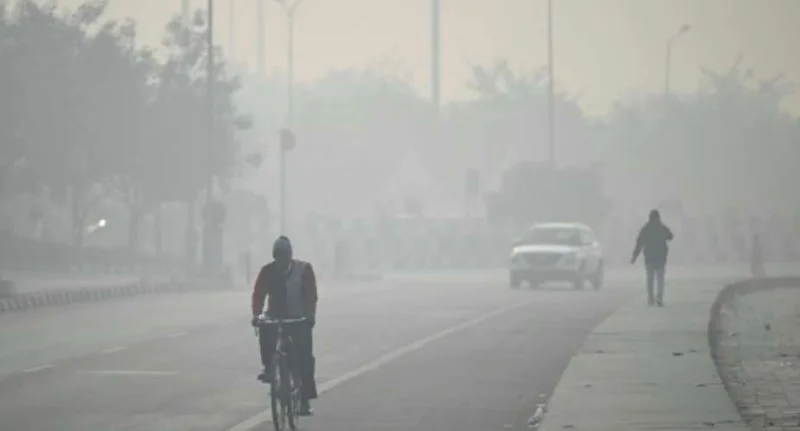
A staggering one-third of the global population was exposed to hazardous levels of ozone pollution during the early months of 2026, according to a comprehensive report from the European Union’s Copernicus Climate Atmosphere Monitoring Service (CAMS). The surge in pollution is directly attributed to intensifying heatwaves and widespread wildfires, which have created a perfect storm for air quality degradation across multiple continents. This finding underscores the growing intersection between climate change and public health, as extreme weather events increasingly dictate the quality of the air that billions of people breathe daily. The report highlights a concerning trend where ozone pollution, unlike other common atmospheric pollutants, remains stubbornly high despite regulatory efforts. Ozone is not emitted directly from tailpipes or chimneys but forms when chemical precursors from human activity and natural sources react in the presence of intense heat and sunlight. Consequently, the record-breaking temperatures experienced globally have acted as a potent catalyst for this invisible threat. Asia emerged as the most severely affected region, with 53 percent of its population enduring extremely poor air quality, a statistic that underscores the disproportionate impact on developing and densely populated economies. While many nations have made significant strides in reducing traditional particulate matter and other industrial emissions, the persistent rise of ozone levels presents a complex new challenge for environmental regulators. CAMS researchers noted that even as some primary pollutant levels drop, the warming climate and more frequent wildfire seasons are effectively offsetting these environmental gains. This phenomenon poses significant health risks, including chronic respiratory diseases, cardiovascular issues, and exacerbated asthma, making ozone reduction a critical priority for health ministries and international bodies worldwide. As the global community grapples with these findings, the report serves as a stark reminder that air pollution is a transboundary crisis that ignores national borders. Addressing the ozone threat will require more than just local emission controls; it demands a unified global approach to mitigating climate change and managing wildfire risks. Without aggressive intervention to curb rising temperatures and transition away from high-emission practices, the health of billions will remain at the mercy of an increasingly volatile and polluted atmosphere.