••
General Legal Council enrols 1,568 new lawyers to the bar
•2 min read•1 source
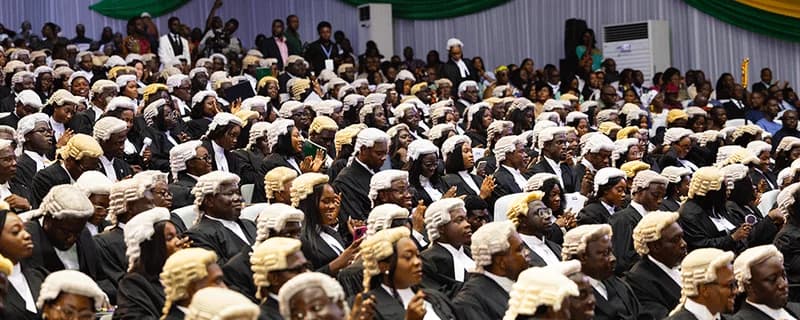
The General Legal Council (GLC) of Ghana officially enrolled 1,568 new lawyers to the bar on October 9, 2026, marking a significant expansion of the country's legal workforce. This latest mass induction has sparked a national conversation regarding the capacity of Ghana's legal infrastructure to absorb such a large number of professionals at once. While the ceremony represents a major milestone for the new practitioners, it also brings the total number of legal professionals to a level that prompts closer scrutiny of the legal market's current health.
With this new cohort, Ghana’s lawyer-to-citizen ratio is estimated at approximately one lawyer for every 4,000 citizens. However, legal experts have raised concerns that the growth in the number of lawyers is not being matched by an equivalent expansion of the judiciary. Currently, the nation faces a shortage of judges and physical courtrooms, which complicates the professional integration of new practitioners and potentially limits the overall efficiency of the justice delivery system. The potential saturation of the market has become a point of discussion among stakeholders who worry about the economic implications for younger lawyers.
Despite these systemic challenges, the legal profession in Ghana continues to offer a variety of career paths beyond traditional courtroom litigation. New lawyers are increasingly finding opportunities in corporate governance, public advocacy, and specialized consultancy. However, persistent economic stagnation has led some observers to question whether the legal education system requires more stringent regulation to prevent an oversupply of graduates into a market that may struggle to sustain them in the long term.
The General Legal Council's latest induction serves as a reminder of the enduring demand for legal education in Ghana, even as broader infrastructure developments lag. Moving forward, the focus is expected to shift toward how the government and the judiciary can expand the court system to better utilize this growing pool of legal talent. For now, the 1,568 new lawyers enter a profession that is as diverse in its opportunities as it is challenged by its structural limitations.
