••
Ghana Immigration Service Rescues 662 Children, Apprehends 1,055 in Major Anti-Human Trafficking Operation Across Accra and Kumasi
•2 min read•5 sources
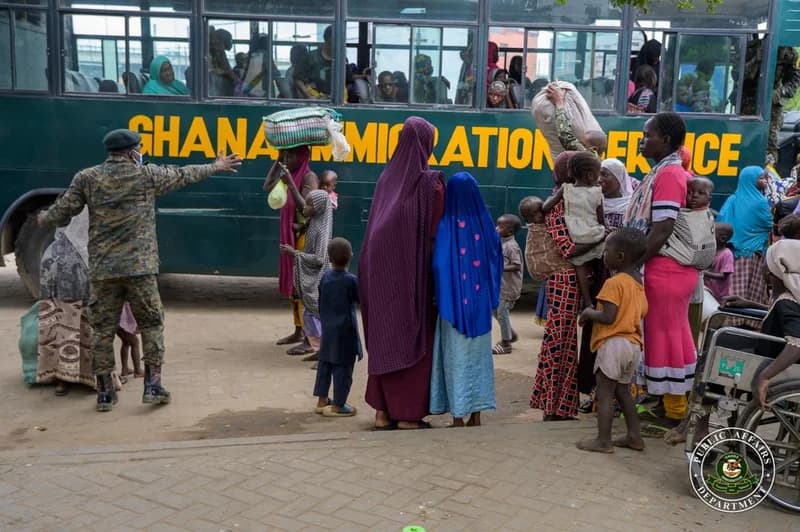
The Ghana Immigration Service (GIS) has launched a massive, intelligence-led operation to dismantle exploitative street begging networks and combat human trafficking across the Greater Accra and Ashanti Regions. Executed in late August 2026, the crackdown targeted organized criminal syndicates that exploit vulnerable West African nationals, primarily women and children, for financial gain. The operation resulted in the apprehension of 1,055 individuals, revealing the significant scale of human trafficking rings operating within Ghana's major urban centers.
Among those taken into custody were 662 children, 248 women, and 145 men, the vast majority of whom are believed to be victims of forced labor and organized exploitation. The sweep focused on known hotspots, including Abossey Okai, Sabon Zongo, and Madina in Accra, as well as the Asawase and Alabar neighborhoods in Kumasi. In a notable humanitarian rescue during the operation, a Nigerien woman who went into labor was immediately transferred by GIS officers to a medical facility, where she received urgent care.
The GIS emphasized that this operation was specifically designed to identify and protect victims while disrupting the logistics of traffickers who profit from street begging. In addition to foreign nationals, the service reported the arrest of several Ghanaian nationals suspected of collaborating with these networks to facilitate the entry and exploitation of vulnerable persons. The service is now working closely with the Ministry of Gender and Social Protection to ensure that the rescued individuals, particularly the large number of minors, receive appropriate psychological and social support before further immigration procedures are finalized.
In the wake of the operation, the Comptroller General of Immigration has issued a strong advisory to the public, urging citizens to stop giving direct financial aid to migrant beggars. Authorities argue that while such acts are often motivated by compassion, direct alms-giving inadvertently fuels the business model of traffickers and encourages the continued exploitation of children. By shifting support toward authorized charitable channels and government-led protection services, the GIS aims to permanently dismantle the financial incentives that keep these trafficking rings operational.
Related topic
Ghana Immigration Service Recruitment: Latest News →