••
GIMAT and CILT Champion Social Inclusion Through Health Education and Transport Accessibility Reform
•2 min read•2 sources
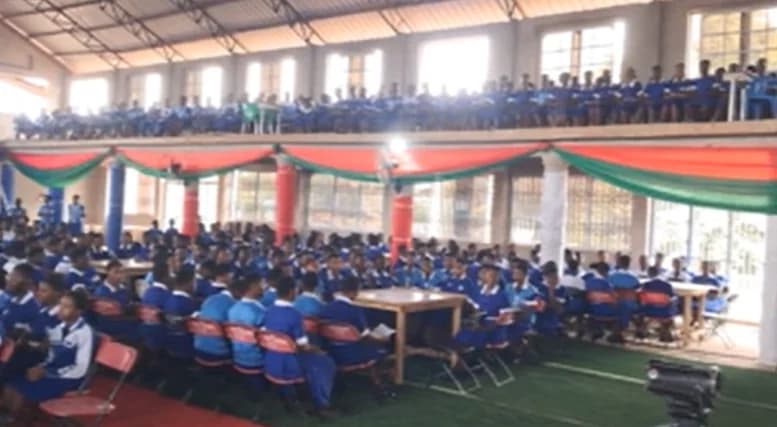
The GIMAT Volunteer Network and the Chartered Institute of Logistics and Transport (CILT) are spearheading a national push for social inclusion through enhanced health education and improved transport infrastructure. From the "Biology of the Girl Child Summit" in Berekum to the 2026 CILT Annual General Meeting in Fiapre, advocacy groups are emphasizing the urgent need to address the knowledge gaps and physical barriers facing vulnerable populations. These initiatives highlight a unified effort to ensure that Ghana’s development is both inclusive and sustainable for young girls, the elderly, and people with disabilities (PwDs).
Fortune Morkporkpor Adalevo, Summit Lead of the GIMAT Volunteer Network, has called for strengthened collaboration between parents, schools, and communities to support girls’ health and development. Speaking to over 1,500 attendees at a recent summit, Adalevo noted that many girls in underserved communities lack essential knowledge about reproductive health and personal development. To address this, the summit provided education on character building and reproductive rights, with Dr. Angel Abena Tiwaa Acheampong further warning against the dangers of unsafe abortions and encouraging girls to seek accurate health information to make informed life decisions.
Parallel to these educational efforts, CILT President Alhaj Mohamed Saaka Dumba is advocating for fundamental changes to Ghana's transport architecture to accommodate PwDs. At the 2026 conference in Fiapre, Dumba highlighted the inadequacies of the current public transport system, specifically the lack of designated seating and traffic alarms for PwDs. He urged stakeholders to implement existing disability laws and consider inclusive improvements across air, marine, and rail transport. Traditional leaders, including Nana Addae Kuntuma IV and Odeneho Dr. Afram Brempong III, echoed these sentiments, calling for diversified transport systems to facilitate more equitable economic growth.
Together, these calls for reform represent a comprehensive approach to social empowerment, linking educational awareness with physical accessibility. By addressing both the health education needs of the youth and the logistical challenges faced by the disabled and elderly, these organizations aim to create a more equitable society. As Ghana continues its developmental trajectory, the focus remains on ensuring that both infrastructure and community support networks are robust enough to protect and empower all citizens, regardless of their physical abilities or socioeconomic status.