••
GhISP and CIB Ghana train Kumasi bankers on performance-based SME lending
•2 min read•2 sources
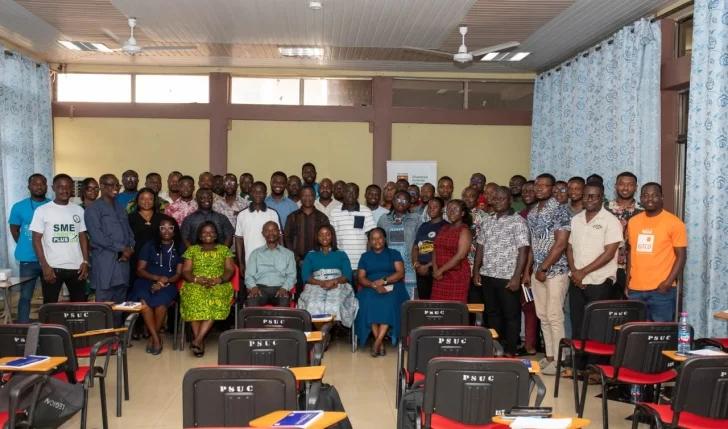
The Ghana Investment Support Programme (GhISP) and the Chartered Institute of Bankers, Ghana (CIB Ghana) have concluded a two-day workshop in Kumasi aimed at enhancing the financing capacity of small and medium enterprises (SMEs). Held on November 5 and 6, 2026, the session brought together banking professionals from across the Ashanti Region to address systemic challenges in SME lending. The collaboration seeks to bridge the funding gap for local businesses by equipping financial institutions with more effective credit assessment tools and practical solutions.
Central to the discussions was a call for financial institutions to shift away from traditional collateral-based lending models. Facilitators emphasized that many viable SMEs struggle to access capital because they lack physical assets to pledge as security. Instead, the training focused on performance-based and cash-flow-based lending, which prioritizes comprehensive assessments of a business's operational track record and revenue potential. By focusing on these metrics, banks can better evaluate the creditworthiness of diverse enterprises that were previously overlooked by conventional banking standards.
The workshop also introduced participants to specialized lending frameworks, including gender-smart and climate-responsive financing. These approaches are designed to ensure that financial services are more inclusive and sustainable, specifically catering to women-led businesses and environmentally conscious initiatives. Participants explored practical strategies to incorporate these values into their standard lending processes, aiming to build a more resilient financial ecosystem that supports a wide range of entrepreneurial activities.
As the workshop concluded, attendees were encouraged to implement the actionable insights within their respective banks to foster tangible improvements in credit accessibility. The organizers believe that by adopting these modern lending practices, financial institutions can drive economic growth in Kumasi and surrounding areas. This initiative is expected to lead to a more robust support system for SMEs, which continue to serve as the backbone of the Ghanaian economy.
