••
GHEITI report identifies gaps in mineral royalty distribution
•2 min read•1 source
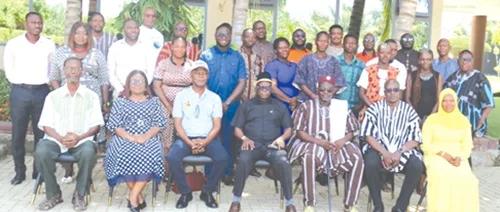
The Ghana Extractive Industries Transparency Initiative (GHEITI) has uncovered significant lapses in the management and distribution of mineral royalties, according to its 2023 Mining Sector Report. Presented in Bolgatanga by Economics Officer Fadil Iddi, the report highlights that many district assemblies are not receiving their lawful allocations of mineral revenues. These findings come at a critical juncture as the Upper East Region prepares for a transition into large-scale mining operations, necessitating more robust oversight mechanisms to protect local interests.
GHEITI Co-Chair Dr. Steve Manteaw expressed concern over the "misapplication" of these funds at the local level, noting that transparency remains a challenge. The report documented instances where mineral revenues, intended for developmental projects, were instead diverted toward non-developmental expenditures such as funding funerals and waste removal services. This lack of fiscal discipline at the district level undermines the primary purpose of royalty payments, which is to provide lasting infrastructure and social benefits to mining-affected communities.
Beyond the distribution of royalties, the 2023 report identified discrepancies regarding the state's equity stakes in various mining companies. GHEITI has recommended a thorough investigation into these equity holdings to ensure the government is receiving its fair share of dividends. The initiative emphasized that better governance of mineral revenues is essential, particularly as the nation faces declining crude oil production, making the mining sector's contribution even more vital to the national economy.
To address these challenges and prepare for a future beyond finite resources, the Upper East Region has initiated the PEARL framework, designed to foster economic diversification and sustainability. GHEITI is calling for stricter adherence to transparency regulations and improved accountability from district assemblies. The report serves as a formal recommendation for the government to tighten its oversight of extractive revenues to ensure they are used effectively for both national and local development.

