••
Ghana Hosts WIMOWCA Conference to Advance Maritime Security and Inclusive Blue Economy
•2 min read•2 sources
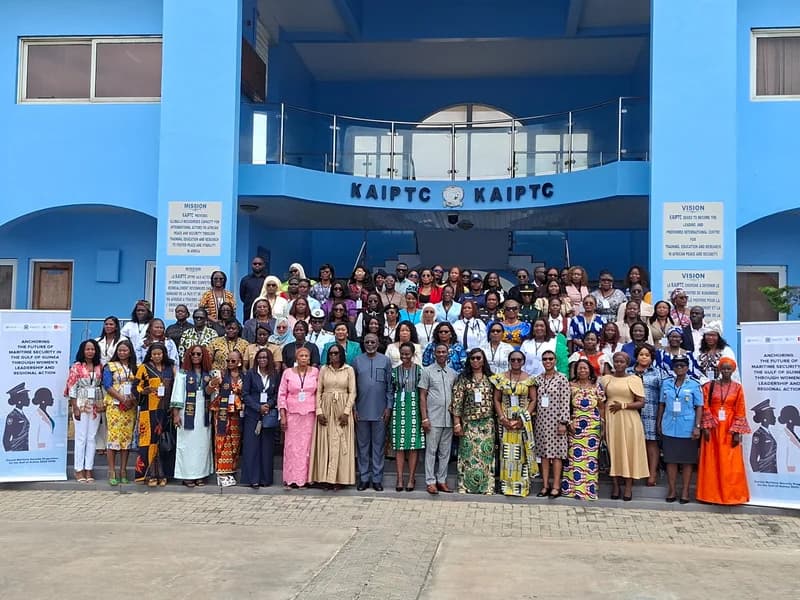
Ghana is currently hosting the Second Women in Maritime of West and Central Africa (WIMOWCA) Regional Conference, a pivotal gathering aimed at enhancing security in the Gulf of Guinea through gender-inclusive leadership. The conference, themed "Anchoring the Future of Maritime Security in the Gulf of Guinea through Women’s Leadership and Regional Action," brings together experts and policymakers to address critical maritime threats including piracy and illicit trafficking. Organized in partnership with the United Nations Office on Drugs and Crime (UNODC) and supported by the Government of Denmark, the summit emphasizes that the participation of women in maritime governance is essential for fostering regional safety and robust maritime administration.
During the event, notable figures such as Danish Ambassador Jacob Linulf and WIMOWCA Regional President Sylvia Asana Owu highlighted the strategic necessity of gender inclusion. Ambassador Linulf noted that regional cooperation is paramount in securing the Gulf of Guinea, while Owu underscored the conference’s goal to validate a regional action plan and implement mentorship initiatives for women’s professional development. These efforts are designed to create a more inclusive maritime environment, ensuring that women are not only represented but are leading initiatives that protect the region's vast maritime borders and resources.
In tandem with these security efforts, Ghana’s Minister of Fisheries and Aquaculture Development, Mrs. Emelia Arthur, has called for a stronger alliance between the government and the scientific community to bolster the nation's Blue Economy. Minister Arthur urged the Ghana Science Association and other researchers to develop actionable solutions for combating illegal mining and destructive fishing practices. Her proposal includes the creation of a technical body dedicated to coastal resilience and stock assessment, ensuring that policy decisions are grounded in rigorous scientific research and community-centered innovations to protect the livelihoods of coastal populations.
These collective efforts signal a comprehensive approach by the Ghanaian government to safeguard its maritime domain while promoting long-term economic sustainability. By integrating the perspectives of women leaders and the expertise of the scientific community, the country aims to establish a resilient maritime framework that serves as a model for the West and Central African sub-region. The WIMOWCA conference is expected to conclude with a series of recommendations that will guide regional action plans, while the Fisheries Ministry’s focus on scientific collaboration promises to secure the health of the marine ecosystem for future generations.
