••
Ghana Hosts WIMOWCA Conference to Advance Women’s Leadership in Maritime Security
•2 min read•1 source
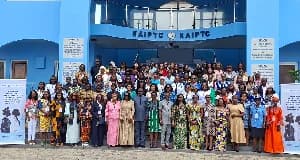
Ghana has officially convened the second regional conference of the Women in Maritime of West and Central Africa (WIMOWCA), a significant summit dedicated to strengthening maritime security through inclusive leadership. The event brings together a high-level assembly of maritime experts, policymakers, development partners, and prominent women leaders from across the sub-region. Operating under the theme "Anchoring the Future of Maritime Security in the Gulf of Guinea through Women’s Leadership and Regional Action," the conference underscores the growing recognition that gender diversity is a strategic necessity for securing Africa's territorial waters.
The primary objective of the gathering is to foster a more collaborative approach to maritime safety by integrating women into key decision-making roles within the sector. Discussions are centered on the unique contributions women can make to maritime strategy, from intelligence gathering to policy implementation and regional coordination. By addressing the barriers that have historically limited women's participation in maritime security, WIMOWCA aims to create a more robust and multifaceted response to the security threats facing the Gulf of Guinea.
This regional action comes at a critical time as the Gulf of Guinea continues to navigate complex security challenges, including piracy, armed robbery at sea, and illegal, unreported, and unregulated (IUU) fishing. The summit highlights the importance of collective action and the need for standardized maritime laws across West and Central Africa. By positioning women as central figures in this regional security architecture, the conference seeks to promote a more sustainable and secure maritime environment that can support the economic growth of all member states.
The outcomes of this conference are expected to influence future maritime policies and enhance the operational effectiveness of security agencies throughout the region. As Ghana continues to play a leading role in regional maritime affairs, the empowerment of women in this field is seen as a vital component of the broader strategy to protect the continent's blue economy and ensure the safe passage of international trade.
