••
Ghana validates national water stress assessment framework
•2 min read•1 source
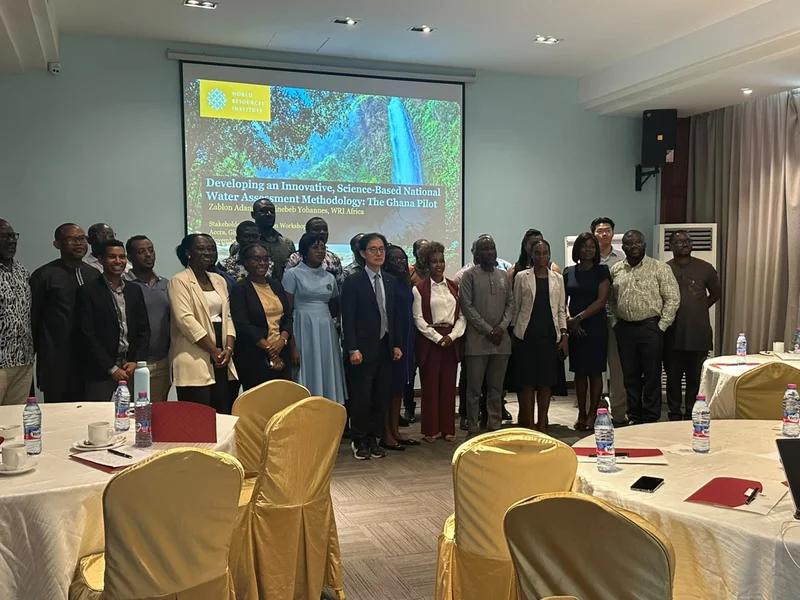
Ghana has validated a national water stress assessment methodology designed to improve the management of the country's water resources in the face of climate change. The framework, developed through a partnership between the government of Ghana and UNESCO with funding from South Korea, was refined during a stakeholder workshop involving representatives from various sectors. This initiative is part of UNESCO’s Intergovernmental Hydrological Programme (IHP), which seeks to strengthen national capacities for data-driven water management and scientific research.
The newly validated framework aims to address critical gaps in understanding water availability and demand across Ghana. By integrating data from both national and international sources, the methodology will facilitate the creation of detailed, basin-level water stress maps. These maps are intended to serve as essential tools for policymakers, allowing for more informed decision-making regarding resource allocation and the mitigation of climate-related risks such as droughts and seasonal water scarcity. The focus on basin-level analysis ensures that localized water challenges are identified and addressed within their specific geographical contexts.
This project highlights the importance of international cooperation in tackling environmental challenges and enhancing hydrological security. By standardizing how water stress is measured and mapped, Ghana positions itself to better manage its hydrological basins and ensure long-term sustainability. Following the validation, the next steps will involve the practical implementation of the methodology and the production of the maps, which are expected to guide national water policy and future infrastructure investment strategies across the country's various water basins.
