Anansi News
HomeBriefsAsk GhanaTopicsTools
•
•

Stay Informed

Get AI-curated news briefs from Ghana delivered to your inbox every morning. Free forever, no spam.

Explore

  • Home
  • Briefs
  • About

Categories

  • Politics
  • Business
  • Sports
  • Entertainment
  • Africa

Features

  • Analysis
  • Cedi Rates
  • Dollar to Cedi
  • Ghana Gold Price
  • BoG Policy Rate

Topics

  • Armed Forces Recruitment
  • WAEC Results & News
  • Nana Ama McBrown
  • NDC News
  • All Topics

Legal

  • Privacy Policy
  • Terms of Service
Anansi News© 2026. All rights reserved.
Made withfor Ghana
africa

Ghana’s Environmental Sector: Pan-African Leadership Marred by Local Waste Crises and New Emission Crackdowns

15th June•3 min read•7 sources
Ghana’s Environmental Sector: Pan-African Leadership Marred by Local Waste Crises and New Emission Crackdowns
  1. Home
  2. /Africa
  3. /Ghana’s Environmental Sector: Pan-African Leadership Marred by Local Waste Crises and New Emission Crackdowns

Ghana is rapidly positioning itself as a continental leader in environmental sanitation technology, exporting indigenous expertise and systems to nations like Kenya and Ethiopia. However, this pan-African ambition currently sits alongside pressing domestic challenges, including a mounting waste management crisis in Kumasi and a new national regulatory crackdown on vehicle emissions. While industrial leaders champion a "sanitation revolution" driven by local innovation, regional infrastructure failures and deteriorating air quality are forcing authorities and private operators to confront significant gaps in service delivery and enforcement.

Dr. Joseph Siaw Agyepong, Executive Chairman of the Jospong Group, recently highlighted that Ghana now boasts over 50 waste treatment and composting facilities, serving as a blueprint for the continent. During a stakeholder dialogue in Greater Accra, Dr. Agyepong emphasized the importance of prioritizing local solutions over imported models, calling for increased government investment in indigenous waste management innovations. This shift toward exporting Ghanaian expertise suggests a maturing industry, yet the Minister for Local Government has warned that local assemblies must still prioritize logistical support for environmental health officers to ensure these advancements benefit the average citizen.

In stark contrast to these industrial milestones, a developing crisis at the Oti Landfill in Kumasi has left private tricycle waste collectors stranded and frustrated. For more than four days, congestion and persistent equipment failures have prevented operators from offloading waste, leading to decomposing refuse accumulating in the rain. Members of the Sanitation Tricycle Riders Association have resorted to burning tires in protest and are threatening to dump waste at unauthorized locations if the situation is not immediately resolved. The association’s chairman, Salim Mohammed, has called for the urgent intervention of Asantehene Otumfuo Osei Tutu II, citing the severe health risks posed to nearby communities by the mismanagement of the site.

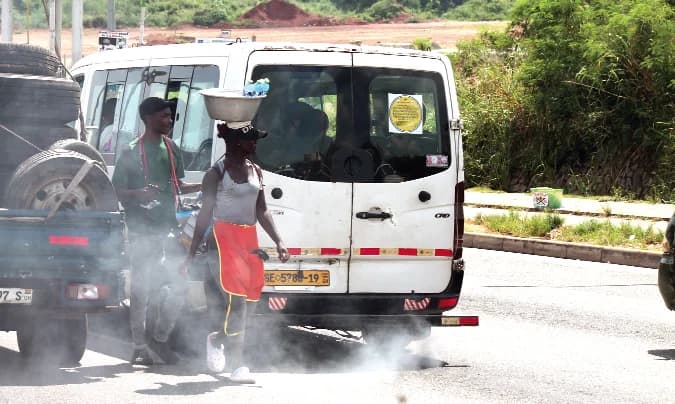
Simultaneously, the government is intensifying its focus on air quality through a joint initiative by the Environmental Protection Authority (EPA) and the Driver and Vehicle Licensing Authority (DVLA). Under this new regime, vehicles emitting excessive fumes will be denied roadworthy certificates as part of a campaign to mitigate the health risks associated with air pollution. This regulatory push is receiving significant support from religious organizations, such as the Presbyterian Church of Ghana through its "Red Sunday" campaign. The church is urging congregants to practice waste segregation and reduce plastic use while advocating against the ecological destruction caused by illegal mining.

These developments reflect a critical juncture for Ghana’s environmental policy. While the country successfully markets its large-scale sanitation technologies across Africa, the daily operational failures in Kumasi and the prevalence of polluting vehicles underscore the need for more consistent local management. Bridging the gap between high-level technological success and ground-level service delivery remains the primary challenge for stakeholders. Moving forward, the success of Ghana’s environmental goals will depend on whether state regulation, private sector innovation, and civic advocacy can work in tandem to address both systemic and localized issues.

Our Take

From the Team

Coming Soon

Our team will add key insights, trends, and actionable takeaways to help you stay informed faster.

This story touches markets covered on Anansi Intelligence ↗.

More from africa

Continue exploring similar stories

Asantehene on a two-week working visit to the USA ahead of Akwasidae Kɛse
africa|24th August

Asantehene Leads International Engagements in USA as Dr. Mahamudu Bawumia Receives Lifetime Achievement Honor

Asantehene Otumfuo Osei Tutu II has commenced a high-profile working visit to the United States, spearheading a series of cultural and economic events across Washington, D.C. Simultaneously, former Vice President and 2028 New Patriotic Party (NPP) presidential candidate, Dr. Mahamudu Bawumia, has been recognized for his long-standing public service with a Lifetime Achievement Award from the African Methodist Episcopal (AME) Zion Church. These developments underscore a period of significant international and domestic activity for Ghana’s traditional and political leadership as they engage in diplomacy, community development, and cultural promotion. The Asantehene’s two-week US itinerary is centered on the 2026 Millennium Excellence Week, organized by the Millennium Excellence Foundation to foster leadership, investment, and cultural celebration. The King is scheduled to tee off the MEA Otumfuo Invitational at the Army Navy Country Club, an event aimed at connecting notable business leaders and investors. His visit also includes a prestigious Royal Guest Lecture at Howard University and participation in the Africa Business and Investment Summit. The mission will culminate in the Akwasidae Kɛse Grand Durbar at Bowie State University, bringing the rich traditions of the Asante Kingdom to a global audience. Domestic honors were highlighted in Cape Coast, where Dr. Mahamudu Bawumia received his Lifetime Achievement Award during the AME Zion Church’s 3rd Biennial Conference at Aggrey Memorial A.M.E. Zion Senior High School. Dr. Bawumia expressed deep gratitude for the honor, describing it as a reflection of collective efforts to uplift communities. He reaffirmed his commitment to serving the nation and supporting vulnerable populations. On the continental stage, Kenyan social innovator Wawira Njiru was named the recipient of the German Africa Prize 2026. Her organization, Food4Education, was lauded for transforming school feeding into a sustainable economic infrastructure that supports local farmers while providing meals for over 660,000 children. Cultural and agricultural development also took center stage within Ghana as the Bono regions celebrated the fifth anniversary of the Meko Bono Homecoming and Cultural Festival in Atebubu. The event brought together traditional rulers and government officials to promote heritage and regional unity. Furthermore, the Volta Coconut Farmers Association has announced that Ho will host the 2026 International Coconut Festival this November. Marking the first time the event will be held in the Volta Region, the festival aims to highlight the region’s significant coconut production and its potential for driving local economic growth.

Fatal Landfill Collapse in Guinea and Migrant Boat Tragedy in Tunisia Claim Dozens of Lives
africa|24th August

Fatal Landfill Collapse in Guinea and Migrant Boat Tragedy in Tunisia Claim Dozens of Lives

Western and Northern Africa are mourning the loss of dozens of citizens following two unrelated but equally devastating disasters in Guinea and Tunisia. In the Guinean capital of Conakry, a massive landslide at the Dar Es Salam landfill has claimed at least 30 lives, while off the coast of Tunisia, the recovery of 11 bodies from a sunken migrant boat has sparked civil unrest. These tragedies highlight the persistent humanitarian challenges facing the continent, from precarious urban infrastructure to the perils of irregular migration. The disaster in Guinea occurred after heavy seasonal rains caused a towering heap of rubbish at the Dar Es Salam landfill to collapse onto nearby makeshift homes. The landslide buried several residences, killing 30 people and leaving six others with serious injuries. Although the landfill had been slated for closure and the government had previously issued eviction notices to those living in the vicinity, many families remained in the high-risk zone. The Minister of Territorial Administration has since announced that the government will take immediate steps to relocate the remaining families to ensure their safety as rescue operations continue. Simultaneously, a humanitarian crisis has unfolded off the coast of Tunisia, where the national coastguard recovered 11 bodies after a boat carrying 15 migrants capsized during an attempt to reach Italy. The incident has deeply impacted the town of Ben Guerdane, as seven members of a single family were among the victims. While one survivor was rescued after drifting at sea for 48 hours, three individuals remain missing. The tragedy ignited protests in Ben Guerdane, where residents demanding more aggressive search-and-rescue efforts clashed with police, who utilized teargas to disperse the crowds. These events underscore the severe human costs of systemic issues in both regions. In Guinea, the landfill collapse points to the dangers of rapid, unregulated urban expansion and the delayed decommissioning of hazardous infrastructure. In Tunisia, the shipwreck serves as a grim reminder of the risks associated with the central Mediterranean migration route. Human rights organizations have noted that such tragedies are often exacerbated by controversial migration agreements between North African nations and the European Union, which they argue can lead to further abuses and more dangerous crossing attempts.

Esther Ogunmabo, 101, Arrested in Nigeria as Law Enforcement Intervenes in Major Crimes Across Africa
africa|24th August

Esther Ogunmabo, 101, Arrested in Nigeria as Law Enforcement Intervenes in Major Crimes Across Africa

Law enforcement agencies across Africa have made a series of high-profile arrests this week, ranging from an unprecedented drug bust involving a centenarian in Nigeria to a major wildlife crime investigation in Kenya. In Nigeria’s Ogun State, the National Drug Law Enforcement Agency (NDLEA) apprehended 101-year-old Esther Ogunmabo on Saturday for allegedly selling cannabis. The case has sparked significant public interest due to the suspect's advanced age, with the NDLEA describing the great-grandmother as a central figure in an unusual legal proceeding that has garnered widespread media attention across the sub-region. Meanwhile, in East Africa, the Kenya Wildlife Service has made significant strides in addressing a conservation crisis in Amboseli National Park. Four individuals, including three Kenyans and one Tanzanian national, were arrested following the mysterious deaths of at least 18 elephants over the past two months. Preliminary investigations suggest the elephants were victims of poisoning, a method often employed by poachers or those involved in human-wildlife conflict. This multi-national arrest underscores the growing regional cooperation required to combat wildlife crime and protect the continent's endangered species. In Ghana, legal and security developments have also dominated the headlines, involving both public figures and local community incidents. Former professional boxer Michael Ayitey Okai, popularly known as Ayitey Powers, was arrested by the Accra Regional Police Command on August 24, 2026. He is accused of threatening Yaw Ampofo Ankrah, the Director-General of the National Sports Authority (NSA). Simultaneously, Ohemaa Sappama Angela, a contestant from the 2023 Ghana’s Most Beautiful pageant, has been forced to publicly address social media allegations linking her to a theft case in Kumasi involving stolen fabrics, further highlighting the intersection of public profile and criminal law. The week also saw a volatile situation in the Ahafo Region, where a security officer known as Obonto was assaulted by residents of Mim. The mob attack occurred after the officer was allegedly found with a female student from Mim Senior High School. While school authorities have denied allegations of sexual misconduct, stating the student was merely visiting for a birthday gift, both the officer and the student were taken into police custody for their safety and to facilitate further investigation. These varied incidents across Nigeria, Kenya, and Ghana reflect a busy period for regional security forces as they navigate complex social, environmental, and criminal challenges.

Upper East Region Strengthens Security and Agriculture Through Infrastructure Investments and Logistical Support
africa|24th August

Upper East Region Strengthens Security and Agriculture Through Infrastructure Investments and Logistical Support

The Upper East Region of Ghana has received a significant boost in both its security and agricultural sectors through two separate development initiatives aimed at improving training infrastructure and field operations. In a major logistical upgrade, the Upper East Regional Directorate of the Department of Agriculture has taken delivery of 28 motorbikes under the West Africa Food System Resilience Programme (FSRP). Simultaneously, the Ghana Police Service’s training capacity has been enhanced through the completion of a full renovation of the Multipurpose Auditorium at the Police Public Safety Training School (PPSTS) in Pwalugu, funded by Fidelity Bank Ghana. The delivery of the 28 motorbikes marks a critical step in the FSRP’s mission to bolster food system resilience and increase the production of essential commodities such as tomatoes, soybeans, maize, and rice. The motorbikes will be distributed across nine beneficiary districts, including Binduri and Bawku West, with each district receiving three units. These vehicles are intended to empower agricultural extension officers, allowing them to reach farmers in remote areas more effectively for monitoring and support. Alhaji Zakaria Fuseini, the Regional Director of Agriculture, emphasized the need for strict professional use and proper maintenance to ensure the equipment's longevity and to justify further investments in the sector. In the security sector, the renovation of the PPSTS Multipurpose Auditorium in Pwalugu represents a renewal of a decade-long partnership between Fidelity Bank and the Ghana Police Service. The facility, which had previously fallen into a state of disrepair, was officially handed over by Harold Ansah of Fidelity Bank to Dr. Wilson Aniagyei of the PPSTS. This investment is designed to support not only the rigorous training of police recruits but also broader community engagement activities. Fidelity Bank officials reaffirmed their commitment to national security, noting that modern training infrastructure is essential for the effective preparation of the country’s security personnel. These combined efforts reflect a broader strategy of institutional support within the Upper East Region, addressing both economic stability through agriculture and social order through improved police training. By enhancing the mobility of agricultural experts and the facilities for law enforcement training, these initiatives provide the foundational tools necessary for regional growth. Moving forward, the success of these programs will depend on the effective management of these new resources by local authorities to ensure they provide lasting benefits to the communities of the Upper East.

All
africa
business
education
entertainment
health
news
politics
sports
technology