••
Ghana Health Service and World Vision Intensify Efforts to Address Critical WASH Gaps Affecting Maternal and Rural Health
•2 min read•2 sources
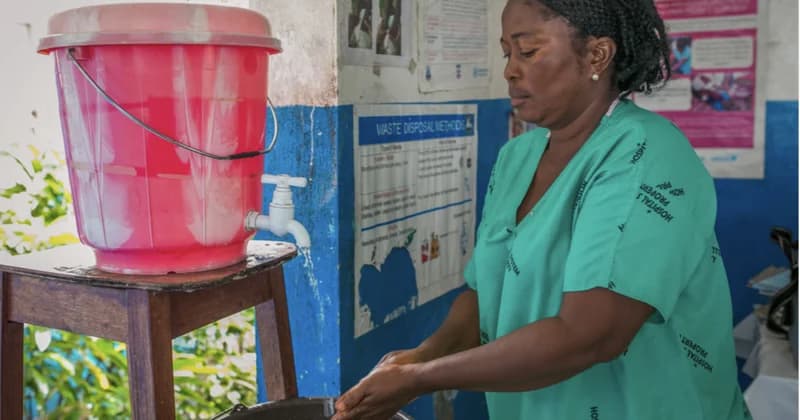
The Ghana Health Service (GHS) and development partners are sounding the alarm over significant gaps in Water, Sanitation, and Hygiene (WASH) infrastructure, which continue to threaten the quality of healthcare and the lives of vulnerable populations. While regional health directorates highlight the direct link between erratic water supply and rising maternal mortality, international organizations like World Vision Ghana are launching ambitious five-year projects to achieve near-universal WASH access in rural municipalities. These efforts underscore a growing national priority to align Ghana’s healthcare and sanitation standards with the United Nations Sustainable Development Goals (SDGs), particularly SDG 6.
In the Upper East Region, Dr. Braimah Baba Abubakari of the GHS has identified severe WASH deficiencies as a primary obstacle to safe maternal and newborn care. Despite some access to potable water, the supply remains erratic, forcing healthcare providers to manage childbirth under high-risk conditions. Dr. Abubakari noted that these gaps contribute to alarming maternal mortality rates, stressing that robust hygiene is non-negotiable for clinical safety. He has called for urgent collaboration between stakeholders and the media to ensure greater accountability in the maintenance and expansion of hygiene facilities within health centers.
Responding to similar challenges in the Ahafo Region, World Vision Ghana has committed to a new initiative targeting 90% universal access to WASH services in the Asunafo North Municipality and Asutifi North District. The project aims to eliminate the long distances residents currently travel for safe water, a burden that disproportionately affects children and women. Acting National Director Joshua Baidoo emphasized that this partnership with local district assemblies is essential to overcoming the funding gaps that often stall government-led sanitation projects. Under the agreement, World Vision will provide technical expertise and resources, while the assemblies will focus on community engagement and the enforcement of sanitation laws.
These regional initiatives represent critical components of Ghana’s broader push toward sustainable development and improved public health outcomes. By integrating healthcare accountability with community-based infrastructure development, stakeholders hope to create a sustainable model for rural health that reduces preventable deaths. The success of these programs will ultimately depend on sustained investment and the ability of local government authorities to maintain the infrastructure provided by NGOs, ensuring that no mother or child is put at risk due to the lack of clean water.

