••
Ghana Statistical Service reports 58.7% of population lives in urban areas
•2 min read•2 sources
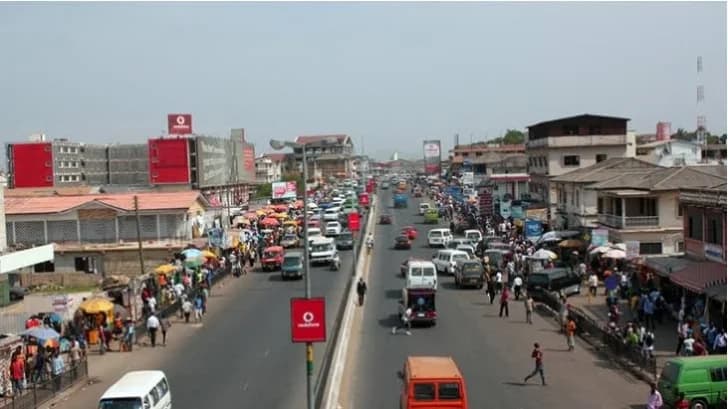
The Ghana Statistical Service (GSS) has released its "Ghana in Numbers, 2025" report, revealing that approximately 19.8 million people now reside in urban areas. This figure represents 58.7% of the national population, a significant increase from the 12.55 million urban residents recorded in 2010. The surge in urbanization highlights the changing demographic landscape of the country and the growing pressure on metropolitan infrastructure and services.
Despite the rapid growth of urban centers, the report indicates progress in addressing the national housing deficit, which is now estimated at 1.8 million units. This is a notable reduction from the 2010 deficit of 2.8 million units. However, the GSS noted that housing demand remains high as the average household size has decreased to 3.6 people. A critical challenge remains for urban planners, as 30.8% of the urban population continues to live in slums, underscoring persistent gaps in affordable housing and formal urban development.
On the front of public utilities, the report showcases significant long-term improvements in access to basic services. Household electricity access has seen a dramatic rise, growing from 43.8% in 2000 to 86.3% by 2021. The GSS also noted improved access to drinking water and sanitation services, though it emphasized that these gains must be weighed against the unique needs of different districts to ensure equitable distribution.
The GSS emphasized that the findings in "Ghana in Numbers, 2025" are intended to serve as a vital tool for policy-making and infrastructure planning. By utilizing detailed local statistics, government agencies and district assemblies can better address specific community needs and manage the complexities of urban growth. The full publication has been made available on the GSS website to support data-driven decision-making across the public and private sectors.