••
Ghanaian universities urged to reform PhD training and mentorship
•2 min read•1 source
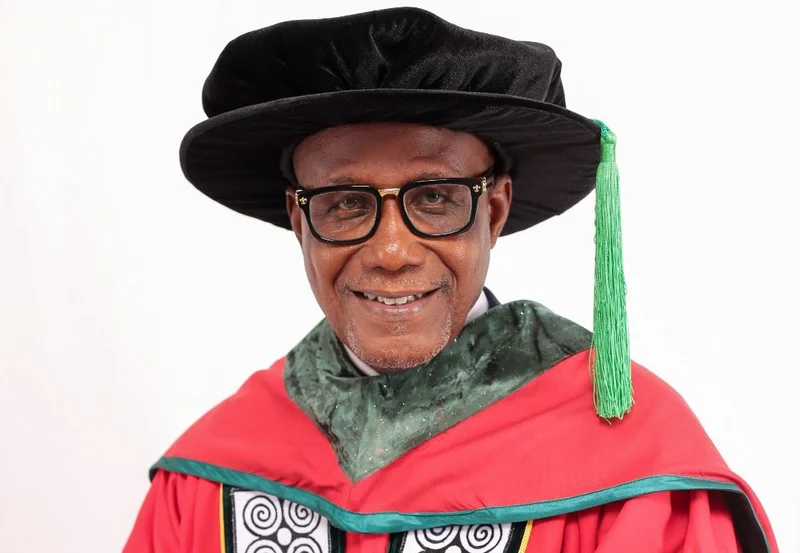
Ghanaian universities are being called upon to overhaul their doctoral training programs to move away from a culture of intimidation toward one of supportive academic mentorship. A recent critique of the current system argues that the traditional, often authoritative approach to PhD supervision is hindering the nation's goal of becoming a knowledge-driven economy. By prioritizing the dignity of students and the quality of research, the proposed reforms aim to transform the academic environment into one that fosters independent thinking rather than fear.
The call for reform highlights a persistent issue where many postgraduate students in Ghana feel intimidated by their supervisors rather than supported. This dynamic is described as a legacy of a colonial mindset in academia, where professors are sometimes viewed as unreachable figures rather than accessible guides. Advocates for change argue that a professor’s professional success should be measured not just by their individual research output or titles, but by their ability to successfully guide and mentor the next generation of scholars through to completion.
To address these systemic challenges, several specific reforms have been proposed to ensure fair and effective doctoral education. These include the establishment of clear supervisory standards and formal agreements between students and supervisors to ensure expectations are clearly defined. Additionally, the proposal suggests mandatory pedagogical and mentorship training for professors, ensuring they have the necessary soft skills to support doctoral candidates. To protect students from potential abuse of power, the introduction of independent complaint mechanisms is also recommended to handle grievances without fear of academic retaliation.
Ultimately, these reforms are intended to create a culture of academic excellence and mutual respect within Ghana's higher education institutions. By fostering a more collaborative and equitable doctoral education system, universities can better produce the high-level expertise required for national development. The shift toward a mentorship-focused model is seen as essential for raising the global profile of Ghanaian research and ensuring that the country's academic leaders contribute meaningfully to solving complex societal problems.
