••
Ghana and Uganda Strengthen Upstream Petroleum Cooperation Through Strategic Peer Learning
•2 min read•1 source
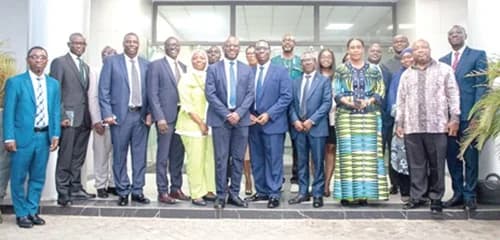
Ghana and Uganda have reinforced their bilateral ties in the energy sector through a strategic knowledge-sharing initiative aimed at strengthening upstream petroleum operations. A high-level delegation from Uganda recently visited the Petroleum Commission in Ghana to engage in comprehensive peer learning sessions. This collaboration underscores a growing trend of intra-African cooperation, where nations leverage shared experiences to navigate the complexities of the global oil and gas industry while ensuring that domestic interests remain a priority.
The discussions between the two nations centered on several critical pillars of the petroleum sector, including regulatory governance, operational efficiency, and the implementation of robust local content policies. Ghana, which has managed its oil resources for over a decade, provided key insights into the regulatory frameworks that have shaped its upstream industry. The Ugandan delegation focused on learning from Ghana's successes and challenges as Uganda prepares for its own transition into full-scale oil production. A central theme of the exchange was the development of local content, with Ghana emphasizing the necessity of legislative frameworks that empower indigenous businesses and increase local workforce participation across the value chain.
By addressing common challenges such as environmental safeguards and effective revenue management, both nations aim to harmonize their approaches to resource governance. This peer-to-peer exchange is expected to foster a more resilient petroleum sector in both countries, providing a potential blueprint for other African nations seeking to optimize their natural resources. As Uganda nears its production phase, the lessons gleaned from Ghana’s regulatory journey are expected to be instrumental in ensuring sustainable economic growth and avoiding the common pitfalls associated with the petroleum industry.