••
Ghana TVET Service and ILO Launch Green Initiative to Equip Youth for Climate-Resilient Careers
•2 min read•2 sources
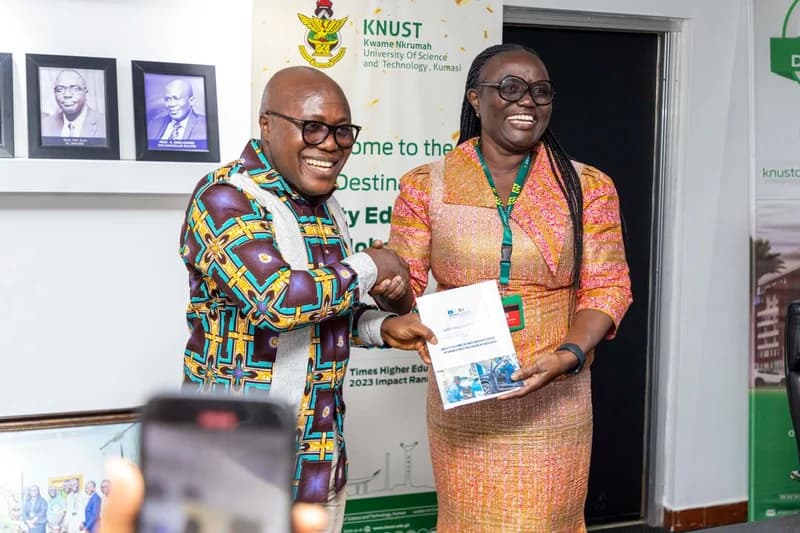
The Ghana TVET Service, in collaboration with the International Labour Organization (ILO), has officially launched the Green TVET Initiative. This strategic program is designed to integrate green skills, climate resilience, and sustainable innovation into the nation’s Technical and Vocational Education and Training (TVET) framework. As the global economy shifts toward renewable energy and environmentally friendly technologies, the initiative seeks to ensure that the Ghanaian workforce is equipped with the specific competencies required for emerging green industries, ultimately fostering a more sustainable and resilient economic future.
Central to the initiative is an extensive capacity-building program for educators, including principals and facilitators, who will be trained to deliver both theoretical and practical instruction in sustainable practices. Dr. Eric Kofi Adzroe, Director-General of the Ghana TVET Service, emphasized that future workers must successfully merge technical expertise with a deep understanding of environmental sustainability. Practical applications are already taking shape, such as the establishment of a Solar Photovoltaic (PV) training program at the Wa Technical Institute and climate-smart agriculture projects at the Comboni Technical Vocational Institute.
Beyond immediate technical training, the Green TVET Initiative aligns with Ghana’s commitment to the United Nations Sustainable Development Goals (SDGs), particularly those focused on quality education and decent work. The program is designed to promote environmentally responsible behavior among students while enhancing their prospects for entrepreneurship and innovation. These efforts will culminate in the 2026 National TVET Week, which is expected to feature policy dialogues and creative platforms like the ‘Next Gen Fashion Showcase’ to highlight the evolving demands of the labor market.
This initiative marks a significant step in modernizing Ghana's vocational education system to meet the challenges of climate change and the opportunities of the green economy. By positioning TVET as a primary driver for youth employment and industrial adaptation, the government and the ILO aim to create a pipeline of skilled professionals capable of leading Ghana’s transition to sustainable energy and agricultural sectors. The long-term goal is to establish Ghana as a regional leader in green vocational excellence, ensuring that the next generation of workers is both employable and ecologically conscious.
