••
Ghana and Trinidad propose AU-CARICOM mechanism for reparatory justice
•2 min read•1 source
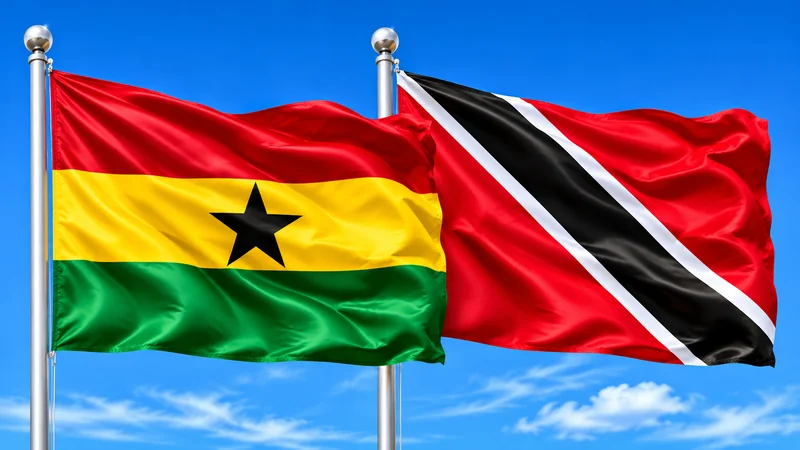
Ghana and Trinidad and Tobago have proposed the establishment of a joint mechanism to spearhead the global campaign for reparatory justice, potentially co-chaired by the African Union (AU) and the Caribbean Community (CARICOM). This initiative was discussed during a bilateral meeting between ministers from both nations on the sidelines of the 2026 Commonwealth Heads of Government Meeting. The proposed framework is intended to facilitate structured engagement with the United Kingdom and other former colonial powers to address the enduring legacies of the transatlantic slave trade.
Minister for Foreign Affairs and Regional Integration, Samuel Okudzeto Ablakwa, emphasized that the campaign for reparatory justice must extend beyond mere financial compensation. The initiative seeks to secure formal acknowledgments of historical injustices and firm guarantees of non-repetition. Minister Ablakwa noted that the United Kingdom has shown an increasing openness to dialogue on the matter, which both nations hope will lead to genuine reconciliation and deeper international cooperation. The joint mechanism aims to unify the voices of the African continent and the Caribbean diaspora to ensure a cohesive diplomatic front.
The push for this formal mechanism follows a landmark March 2026 United Nations resolution that recognized the transatlantic slave trade as a grave crime against humanity. Under the administration of President John Mahama, Ghana has positioned itself as a lead advocate for reparative actions, seeking to leverage international law to address historical wrongs. By partnering with Trinidad and Tobago, Ghana intends to create a robust institutional bridge between the AU and CARICOM, ensuring that the demands for justice are handled through high-level, multilateral channels rather than fragmented bilateral talks.
Moving forward, the two nations intend to seek formal endorsement for the mechanism from their respective regional bodies. Proponents believe that a structured AU-CARICOM body will provide the necessary diplomatic weight to move the reparatory justice agenda from theoretical discussion to concrete policy implementation. The initiative reflects a growing international consensus on the need to address the historical foundations of global inequality through restorative diplomacy and shared historical accountability.
Related topic
John Mahama: Latest News & Updates →

