••
Ghana Transport and Maritime Sectors Face Major Shifts with Fare Hikes, Fee Reductions, and Port Expansion Plans
•3 min read•7 sources
Ghana’s transportation and maritime sectors are undergoing significant structural changes as regulators and the government move to balance rising operational costs with economic competitiveness. Starting Saturday, September 26, 2026, public transport fares will increase by 8%, marking the first upward adjustment since May 2025. The Ghana Private Road Transport Union (GPRTU) and the Ghana Road Transport Coordinating Council (GRTCC) announced the hike to help operators manage maintenance and fuel expenses. This change is expected to affect more than 80% of urban commuters who rely on "trotros" and shared taxis. For example, intra-city trotro fares previously at GH₵5 will rise to GH₵5.50, while long-distance inter-city services at GH₵300 will increase to GH₵324.
In a move to lower the cost of doing business, the Ghana Shippers’ Authority (GSA) has significantly reduced container administrative charges from $165 to $65 per TEU. This decision, authorized under Act 1122, followed negotiations initiated by President John Dramani Mahama and the Minister of Transport to bring Ghana’s port fees closer to the regional average of $45 to $50. Complementing this cost reduction, the government has unveiled plans to expand port infrastructure to alleviate congestion. Key initiatives include the construction of new berths, improved road networks, and the development of rail links for cargo movement, all aimed at strengthening Ghana’s position as a maritime hub in West Africa.
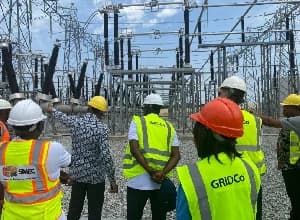
Amidst these logistical developments, Metro Mass Transit (MMT) has appealed for government intervention to renew its aging fleet, noting that 70-80% of its buses have exceeded their useful lifespan. MMT currently operates 205 buses but seeks to expand to 360 routes once a pending contract for 300 new Isuzu buses is fulfilled. The company remains a critical service provider, maintaining fares 15-25% lower than private operators. Simultaneously, in the energy sector, the Ghana Grid Company (GRIDCo) has completed a 4-kilometre transmission line to integrate the 50-megawatt Yendi Solar Farm into the national grid, bolstering the country's renewable energy capacity.
From a financial perspective, the Bank of Ghana has opted to maintain the Monetary Policy Rate (MPR) at 14% for the next two months. While the benchmark rate remains steady, commercial banks are currently reviewing their interest rate structures. Marginal adjustments to loan and deposit rates are anticipated as banks respond to liquidity conditions, Treasury-bill yields, and the Ghana Reference Rate. Together, these cross-sector updates reflect a broader national effort to modernize infrastructure and stabilize the economy while navigating the immediate pressures of operational inflation.
Live rates
Bank of Ghana policy rate →

