••
Ghanaian Traditional Leaders and Civil Society Advocates Champion Inclusive Development and Gender Equity
•3 min read•3 sources
Ghana is witnessing a renewed push for socio-economic progress through a blend of traditional authority, professional expertise, and legislative reform. Across various regions, traditional leaders and gender advocates are emphasizing that the nation’s development depends on breaking down silos between customary institutions and intellectual communities. This movement is exemplified by the recent calls from high-ranking traditional authorities for stronger collaboration and the installation of professional women into key leadership roles, all while the country begins the critical implementation phase of the Affirmative Action (Gender Equity) Act, 2024 (Act 1121).
In the Volta Region, Togbega Gbogbolulu V, the Paramount Chief of Vakpo, has underscored the necessity of a partnership between traditional authorities and intellectuals to address contemporary challenges. Marking his 25th anniversary, the Paramount Chief announced plans for a new local maternity facility, citing it as a tangible result of joint efforts. This call for unity was echoed by the Kpando Municipal Chief Executive, who warned that chieftaincy disputes remain a significant barrier to such advancements. The sentiment suggests a shift in traditional governance toward a model where professional knowledge informs customary leadership to drive tangible community projects.
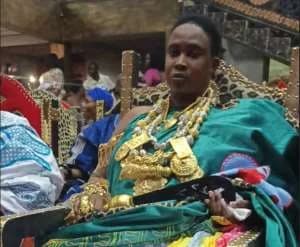
This trend of integrating professional experience into traditional structures is further highlighted by the installation of Madam Josephine Efua Baawa Arthur as the Paramount Queen Mother of the Gomoa Ajumako Traditional Council. Taking the stool name Nana Efua Oponse Krampah I, the new Queen Mother brings her background as a midwife at the Cape Coast Teaching Hospital to her royal office. Her installation was met with encouragement from the Omanhene, Obrempong Nyanful Krampah XI, who urged her to leverage her public health expertise to improve the welfare of women and girls. By appointing a healthcare professional to this role, the council has signaled a commitment to using traditional platforms to address public health and education.
Supporting these local initiatives is a national effort to ensure systemic representation for women through the Affirmative Action (Gender Equity) Act. Dr. Charity Binka, Chair of the African Women Leaders Network (AWLN), recently charged the media with the responsibility of monitoring and shaping the implementation of this landmark law. She emphasized that the media must translate the Act’s legal complexities into accessible language and hold institutions accountable for compliance. Dr. Binka clarified that the Act aims to dismantle structural barriers rather than bypass merit, ensuring that women have equal opportunities in both governance and public life.
Collectively, these developments represent a holistic approach to Ghanaian development. Whether through the resolution of boundary disputes via newly sworn-in chiefs in Gomoa Ajumako or the media’s oversight of gender equity laws, the focus remains on stability and inclusive growth. By bridging the gap between traditional heritage and modern professional standards, these leaders are laying a foundation for a more equitable and prosperous society where both customary and legal frameworks work in tandem to support all citizens.