••
Ghana reaches Tier 1 status in U.S. Trafficking in Persons Report
•2 min read•1 source
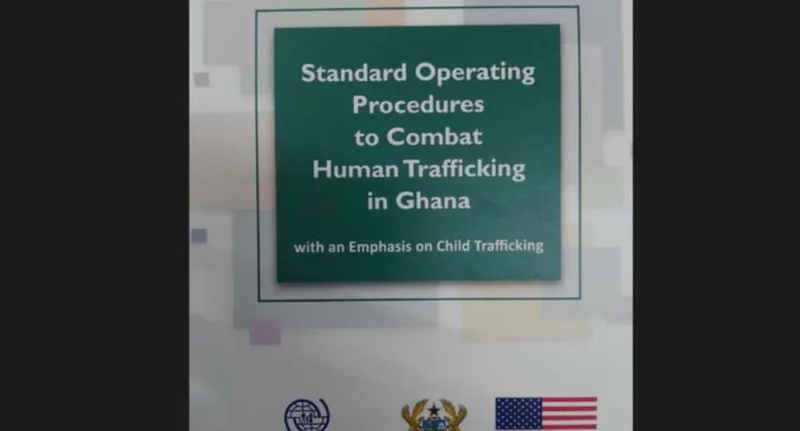
Ghana has been elevated to Tier 1 status in the latest U.S. Department of State Trafficking in Persons (TIP) Report, signaling that the country now fully meets the minimum international standards for the elimination of human trafficking. This significant upgrade reflects a concerted effort by the Ghanaian government and its partners to address modern-day slavery through strengthened legal frameworks and enforcement. The transition from Tier 2 to Tier 1 places Ghana among a global group of nations recognized for their robust commitment to combating exploitation and protecting vulnerable citizens.
The International Justice Mission (IJM) Ghana, which has been a key partner in these efforts, praised the government’s progress in achieving this milestone. According to data associated with the report, Ghana successfully prosecuted 212 traffickers and identified approximately 2,331 victims during the assessment period. These figures demonstrate an increased capacity for law enforcement and the judiciary to hold perpetrators accountable while providing essential support services to those rescued from exploitative conditions.
Despite the Tier 1 ranking, stakeholders emphasize that the fight against human trafficking remains a critical challenge. Child trafficking is still a major concern, particularly within the domestic work, agriculture, and fishing sectors on Lake Volta. The report and advocacy groups highlight that traffickers are increasingly utilizing technology and fraudulent job advertisements to lure victims into forced labor. These evolving tactics require the state to remain vigilant and adapt its investigative strategies to counter digital-age exploitation.
To maintain this status and further reduce the prevalence of trafficking, IJM Ghana has called for sustained collaboration and increased funding for anti-trafficking initiatives. Experts suggest that while the Tier 1 designation is a major diplomatic and humanitarian achievement, it must serve as a catalyst for deeper institutional reforms. Continued investment in social protection programs and community awareness will be vital to ensuring that the root causes of trafficking are addressed alongside criminal prosecutions.
