••
Ghana Institution of Surveyors calls for land compensation reforms
•2 min read•2 sources
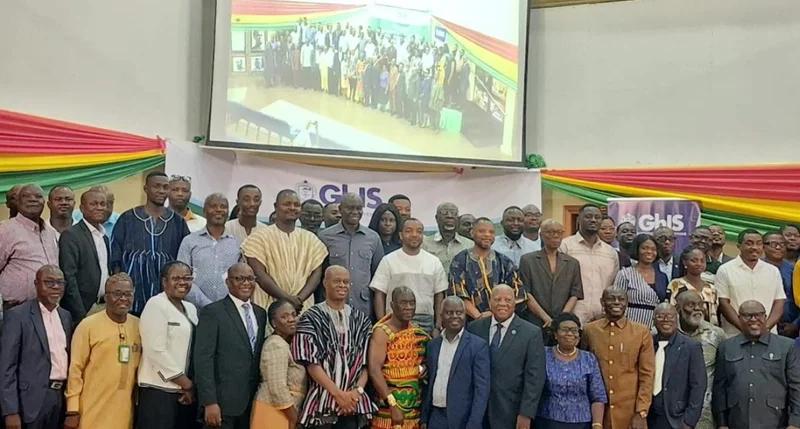
The Ghana Institution of Surveyors (GhIS) and industry stakeholders are calling for urgent reforms to Ghana's land acquisition and compensation regime to prevent costly delays in national infrastructure projects. Speaking at a forum in Accra, GhIS President Emmanuel Kofi Cobbold warned that ongoing disputes over land valuation and compensation have become significant barriers to development, often resulting in prolonged legal battles and increased project costs. The forum, organized in collaboration with the Lands Commission and relevant ministries, aimed to address the complexities of compulsory land acquisition in a landscape where the state has limited direct control.
Mr. Cobbold highlighted a critical challenge in land administration: the fact that the government controls only 20% of the land in Ghana, with the remaining 80% held under customary ownership. This distribution complicates the process of compulsory acquisition for public interest projects. When compensation is perceived as inadequate or the process lacks transparency, landowners frequently resort to litigation, which can stall critical infrastructure for years. The GhIS President emphasized that better collaboration among stakeholders and improved valuation practices are essential to strengthening the acquisition process and protecting the interests of all parties involved.
Representing the government, the Deputy Minister of Lands and Natural Resources, Alhaji Dr. Yusif Sulemana, stressed the importance of strict adherence to the Land Act 2020 (Act 1036). He noted that the legislation provides a clear framework for land administration and that its full implementation is vital for ensuring fairness in compensation. According to the Deputy Minister, protecting property rights through transparent processes is fundamental to fostering public confidence in state-led development initiatives and ensuring that the government can meet its development goals without infringing on the rights of citizens.
The forum concluded with a consensus on the need for systemic changes to improve the efficiency and transparency of land administration. Recommendations generated during the session are expected to inform future policy adjustments aimed at streamlining compensation arrangements. By resolving these administrative bottlenecks, stakeholders believe Ghana can accelerate its infrastructure development while maintaining social harmony and respect for private property rights.