••
GMet Issues National Storm Warning as Africa CDC Raises Alarm Over DRC Ebola Gaps
•2 min read•2 sources
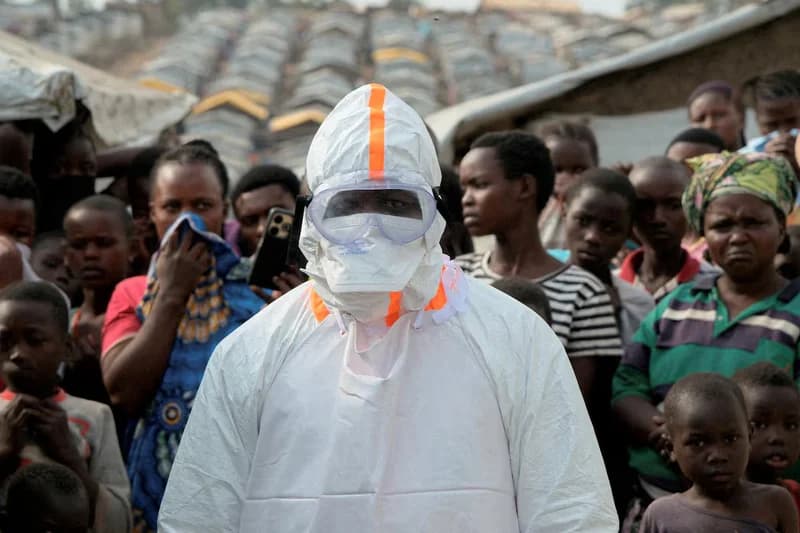
Public safety agencies across the continent are on high alert as the Ghana Meteorological Agency (GMet) issues a widespread weather warning while Africa's leading health body flags critical failures in the Democratic Republic of the Congo's Ebola response. In Ghana, a series of thunderstorms and heavy rains are expected to sweep across several regions, potentially impacting travel and maritime activities. Simultaneously, the Africa Centres for Disease Control and Prevention has characterized the ongoing Ebola outbreak in the DRC as a serious concern, citing significant lapses in containment protocols that threaten regional health security.
According to the latest forecast from GMet, weather systems currently impacting the Oti, Eastern, and Northern Regions are projected to spread across the country throughout the evening and into the night. Residents in the Ashanti, Bono, and Bono East Regions should prepare for slight to moderate precipitation. While the coastline may only experience light rain or drizzle, officials have warned of particularly rough sea conditions, urging fishers and coastal residents to exercise extreme caution. Furthermore, mist and fog are expected to reduce visibility along the coast and in mountainous areas, while slight rain remains a possibility for the Greater Accra Region.
In the Northern Sector, GMet anticipates that thunderstorms will intensify later tonight and persist into the early morning hours. This prolonged weather activity underscores a period of atmospheric instability that requires heightened public vigilance. Citizens are advised to monitor official updates and stay safe as conditions develop. The agency emphasized that these developments are part of a broader pattern of shifting weather that could disrupt daily routines and transportation hubs across the northern and middle belts of the country.
Shifting focus to regional health, the Africa CDC has issued a sobering assessment of the Ebola virus disease outbreak in the Democratic Republic of the Congo. The health body noted that despite ongoing efforts, the situation remains precarious due to persistent gaps in infection prevention and control (IPC) measures. These systemic weaknesses—ranging from inadequate protective equipment to sub-optimal hygiene protocols—hinder the effective containment of the virus. Health experts warn that without addressing these fundamental gaps, the risk of further transmission remains high, requiring urgent intervention from both local authorities and international partners.