••
Ghana’s Secured Credit Hits GH¢31.5 Billion as Government Targets Lower Financing Costs
•3 min read•12 sources
Ghana’s financial sector has recorded a substantial surge in lending activity, with the total value of secured credit reaching GH¢31.5 billion in the second quarter of 2026. According to the Bank of Ghana’s Collateral Registry report, this represents a significant 73.4% year-on-year increase from the GH¢18.2 billion recorded in the same period in 2025. Commercial banks remained the primary drivers of this growth, accounting for GH¢19.9 billion (63.1%) of the total value. While foreign-controlled banks led the market with GH¢14.1 billion, indigenous banks saw an impressive 112.4% growth, contributing GH¢5.7 billion to the secured credit pool. This expansion in credit value occurred despite a 32.2% decline in the volume of security interest registrations, largely due to reduced activity from Savings and Loans institutions.
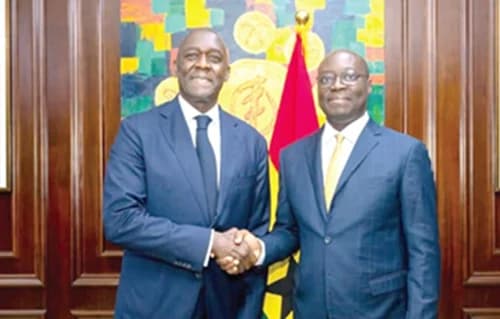
Complementing the growth in credit value, there has been a notable improvement in credit due diligence across the financial industry. Search activity on the Collateral Registry Application System (CRAS) rose by 13.9% year-on-year, indicating that lenders are increasingly utilizing formal tools to manage risk. Finance Minister Dr. Cassiel Ato Forson noted that the government's fiscal efforts are successfully easing financing conditions for the private sector, highlighted by a steady decline in treasury bill rates. Dr. Forson emphasized that the administration is aiming for an investment-grade credit rating by 2030 to further reduce the nation's debt-servicing burden and lower interest rates for local businesses.
In tandem with these fiscal goals, the International Finance Corporation (IFC) has significantly ramped up its support for the Ghanaian economy. IFC commitments reached $670 million for the 2025/2026 financial year, a sharp increase from just $61 million in 2020/2021. This capital is being directed toward critical sectors including agribusiness, renewable energy, and education. IFC Managing Director Makhtar Diop commended the country’s economic progress and reiterated a commitment to facilitating private sector growth and job creation, which remains a cornerstone of the current administration’s economic strategy.
Addressing the macroeconomic environment, Bank of Ghana Governor Dr. Johnson Asiama reassured the business community of the cedi's relative stability. While the currency has seen some fluctuations—trading at approximately GH¢12.15 in forex bureaus compared to the central bank’s interbank rate of GH¢11.53—the Governor indicated that slight depreciations can occasionally be part of a deliberate economic management strategy. Furthermore, Dr. Asiama emphasized the launch of the InvestorConnect platform as a tool to enhance financial inclusion and investor protection. He urged regulators to prioritize investor education and record security to ensure the capital market can provide the long-term funding necessary for sustainable national growth.
Live rates
Dollar to cedi rate →

