••
Health Experts Urge Improved Reproductive Education as Ghanaian Women Lean on Traditional Family Planning
•2 min read•1 source
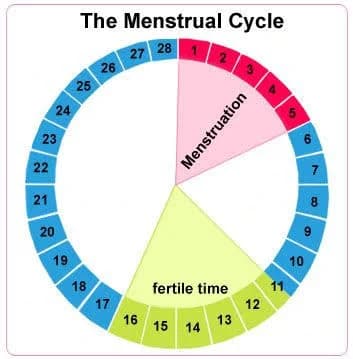
Ghanaian women are increasingly caught between traditional methods of family planning—such as counting menstrual days based on peer advice—and modern digital solutions like fertility apps. Despite a wide array of modern contraceptive options, a significant portion of the population continues to rely on informal, "natural" methods due to their perceived safety and lack of cost. However, health experts warn that without a deep biological understanding of ovulation and cycle variation, these traditional practices often fail, leading to a high risk of unintended pregnancies.
Data from the 2022 Ghana Demographic and Health Survey highlights this tension, showing that while approximately 32% of women use family planning methods, a substantial number still depend on traditional counting. The dilemma is personified by women like Bridget, who, despite having access to digital tools like the "Flo" app, often choose the advice of friends and informal tracking. This reliance on peer-driven methods persists even though general awareness of modern contraceptives is widespread, indicating a critical gap between basic awareness and functional health literacy.
Medical professionals emphasize that the risks associated with the "calendar method" stem from a fundamental misunderstanding of the menstrual cycle. Most women lack precise knowledge about the timing of ovulation, often relying on generalized assumptions that do not account for irregular cycles or biological shifts. Health experts argue that the primary issue is not the tool itself—whether it be a digital app or a manual calendar—but the lack of education regarding reproductive health. Without understanding how their own bodies function, women remain vulnerable to the inaccuracies of informal tracking.
To address these challenges, there is a growing call for enhanced reproductive health education across Ghana. Experts advocate for initiatives that go beyond promoting contraceptive products to focus on empowering women with accurate knowledge of their own biological signs. By bridging the gap between traditional preferences and scientific accuracy, health advocates hope to reduce unintended pregnancies and ensure that women can make informed, safe, and effective choices for their reproductive futures.
