Anansi News
HomeBriefsAsk GhanaTopicsTools
•
•

Stay Informed

Get AI-curated news briefs from Ghana delivered to your inbox every morning. Free forever, no spam.

Explore

  • Home
  • Briefs
  • About

Categories

  • Politics
  • Business
  • Sports
  • Entertainment
  • Africa

Features

  • Analysis
  • Cedi Rates
  • Dollar to Cedi
  • Ghana Gold Price
  • BoG Policy Rate

Topics

  • Armed Forces Recruitment
  • WAEC Results & News
  • Nana Ama McBrown
  • NDC News
  • All Topics

Legal

  • Privacy Policy
  • Terms of Service
Anansi News© 2026. All rights reserved.
Made withfor Ghana
technology

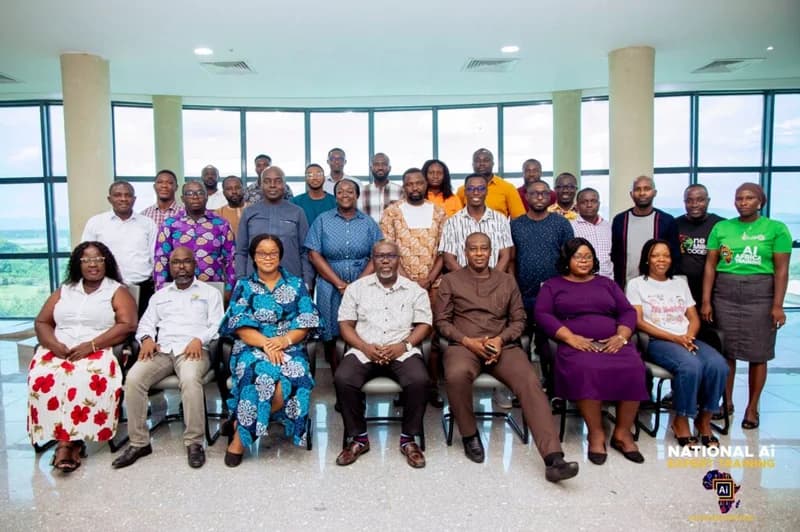
Ghana Accelerates Public Sector Digital Transformation with Launch of National AI Masterclass Cohort 2

25th March•2 min read•3 sources
Ghana Accelerates Public Sector Digital Transformation with Launch of National AI Masterclass Cohort 2
  1. Home
  2. /Technology
  3. /Ghana Accelerates Public Sector Digital Transformation with Launch of National AI Masterclass Cohort 2

The Ministry of Communication, Digital Technology, and Innovations has officially launched the second cohort of the National AI Masterclass in Akuse, a strategic initiative aimed at equipping Ghana’s public sector with advanced artificial intelligence capabilities. Running from March 21 to 25, 2023, the five-day intensive program is organized in collaboration with AI Africa and the Knowledge Web Center. This second phase focuses on empowering senior-level government officials, including deputy directors and senior officers, to leverage emerging technologies to streamline administrative processes and improve national service delivery.\n\nDuring the opening sessions, Chief Director Alexander Yaw Arphul underscored the critical necessity of practical digital skills for modern governance. He emphasized that as the global digital economy continues to evolve, public servants must be proficient in AI to ensure efficiency and transparency in government operations. The training aims to provide these professionals with the specific tools needed to navigate the complexities of digital governance and meet the growing expectations of the Ghanaian citizenry for faster and more reliable services.\n\nLed by Dr. David King Boison, the masterclass curriculum is designed to go beyond theoretical concepts, focusing instead on the development of integrated intelligence systems for effective policy formulation. By utilizing AI-driven data analysis, government institutions can better predict trends and make informed decisions that drive national development. This technical depth is intended to transform how policies are drafted and implemented, ensuring they are backed by robust, real-time data insights rather than outdated manual processes.\n\nDr. Samuel Antwi-Gyekye, Director for Digital Technology, highlighted that this initiative is a cornerstone of Ghana’s broader 24-hour economy policy. To date, approximately 100 public officials have successfully completed the training, creating a growing network of tech-savvy leaders within the civil service. By fostering a culture of continuous digital learning, the government aims to build a resilient and agile public sector capable of driving Ghana’s socio-economic growth in an increasingly automated world.

Our Take

From the Team

Coming Soon

Our team will add key insights, trends, and actionable takeaways to help you stay informed faster.

This story touches markets covered on Anansi Intelligence ↗.

More from technology

Continue exploring similar stories

notice
technology|Yesterday

Ministry of Foreign Affairs Reports Technical Fault on National Passport Application Portal

Ghana’s Ministry of Foreign Affairs (MFA) has officially confirmed a significant technical disruption affecting the national online passport application portal. The platform, accessible via passport.mfa.gov.gh, is currently unavailable to the public, effectively halting new applications and digital processing for citizens seeking travel documents. This outage represents a critical interruption in one of the country's most frequently used digital public services, impacting both local citizens and Ghanaians in the diaspora. According to a statement released by the Ministry, technical teams are actively engaged in corrective measures to restore the system. To address the underlying infrastructure failure, the MFA is collaborating closely with the National Signals Bureau (NSB), the state agency responsible for electronic communications security and intelligence. While the specific nature of the technical fault—whether it pertains to server maintenance, a cyber-related issue, or database synchronization—has not been explicitly detailed, the involvement of the NSB suggests a high-level technical response to ensure the integrity of the application system. The Ministry has issued a formal apology to the general public for the inconvenience caused by the service interruption. The portal serves as the primary gateway for applicants to book capture appointments, pay processing fees, and submit vital biodata. For many, this downtime translates into potential delays in travel plans and an inevitable backlog of applications that the Passport Office will need to address once services are restored. Currently, no specific timeline has been provided for the full resumption of the online service, leaving prospective applicants in a state of uncertainty. As the technical teams work toward a resolution, the Ministry has assured the public that updates will be provided as progress is made. This incident highlights the ongoing vulnerabilities within the nation's digital infrastructure as it strives for more efficient public service delivery under the current administration. Citizens are advised to monitor official government communication channels for further announcements regarding the portal's status and any temporary alternative arrangements that may be instituted during this period of unavailability.

MTN Ghana Equips Journalists and CSOs with Ethical AI Training for Enhanced Content Development
technology|Yesterday

MTN Ghana Equips Journalists and CSOs with Ethical AI Training for Enhanced Content Development

MTN Ghana has launched a comprehensive virtual training initiative designed to empower journalists and Civil Society Organizations (CSOs) with the skills necessary for the responsible use of Artificial Intelligence (AI). Organized as part of the telecommunications giant's 30th-anniversary celebrations, the session focused on bridging the digital divide and ensuring that media and civic professionals are not left behind by the rapid pace of technological innovation. The training provided a platform for participants to explore how AI can be effectively integrated into research and professional content creation. During the session, Madam Efua Falconer, representing MTN Ghana, underscored the critical importance of adaptation in the modern professional landscape. She emphasized that for those unfamiliar with digital advancements, understanding AI is no longer optional but a necessity for staying relevant. Technical experts led practical demonstrations of various AI applications, illustrating how these tools can significantly improve efficiency in newsrooms and advocacy groups by streamlining data analysis and drafting processes. A central theme of the training was the delicate balance between automation and human judgment. While the experts highlighted the immense opportunities for productivity, they issued a strong call for ethical oversight and rigorous verification. Participants were reminded that AI should serve as a tool for enhancement rather than a replacement for the critical thinking and fact-checking that define professional journalism and civil society work. This focus on ethical guardrails aims to prevent the spread of misinformation that can sometimes arise from unverified AI-generated content. As AI continues to reshape the global media and communications landscape, such initiatives are vital for maintaining a competitive and credible local press. By prioritizing both technical proficiency and responsible usage, MTN Ghana’s training program serves as a significant step toward a more digitally literate and ethically grounded media sector. The initiative reflects a broader commitment to supporting the digital transformation of Ghanaian society while upholding the standards of accuracy and public trust.

Ghana Police Service to Launch TrafficTech for Automated Road Traffic Enforcement
technology|Yesterday

Ghana Police Service to Launch TrafficTech for Automated Road Traffic Enforcement

The Ghana Police Service (GPS) is poised to revolutionize road safety management across the country with the introduction of its new automated enforcement system, "TrafficTech." This technological initiative is designed to modernize the way traffic regulations are enforced, specifically targeting the high incidence of speeding and other road traffic violations that contribute to accidents on Ghana's major highways. By transitioning toward a more digitized surveillance model, the GPS aims to create a safer environment for both motorists and pedestrians through consistent and objective monitoring. At the core of the TrafficTech system is its ability to identify and document offenders without the immediate intervention of police officers on the ground. Traditionally, traffic enforcement in Ghana has relied heavily on physical checkpoints and manual stops, which can often lead to traffic congestion and potential friction between officers and drivers. TrafficTech seeks to eliminate these inefficiencies by utilizing advanced sensors and cameras to capture vehicle data in real-time. This allows for a seamless enforcement process where offenses are recorded automatically, reducing the need for dangerous high-speed chases or disruptive roadside stops. The implementation of this system represents a significant shift in the operational strategy of the Ghana Police Service under current national modernization efforts. By leveraging technology to detect speeding and other infractions, the service can maintain a persistent presence on the roads without requiring an officer at every corner. This move is expected to not only increase the rate of detection for traffic offenders but also serve as a powerful deterrent. Knowing that violations are being monitored and logged electronically, drivers are encouraged to adhere strictly to speed limits and road signs, fostering a culture of discipline on the road. As the system rolls out, it is expected to play a crucial role in the broader national agenda of reducing road fatalities and improving the overall efficiency of the transportation network. The integration of TrafficTech marks a milestone in the digital transformation of Ghana’s public safety infrastructure. While the police continue to finalize the deployment details, the initiative signals a proactive stance in embracing 21st-century solutions to address long-standing road safety challenges and ensure the protection of all road users.

Cyber Security Authority Urges Journalists to Exercise Caution in Reporting System Vulnerabilities
technology|Yesterday

Cyber Security Authority Urges Journalists to Exercise Caution in Reporting System Vulnerabilities

Ghana's Cyber Security Authority (CSA) has issued a stern caution to media practitioners regarding the reporting of cybercrime and system vulnerabilities. Speaking at a specialized training session for journalists, Alex Awere-Kyere, a Senior Manager at the CSA, highlighted the delicate balance between public interest and national security. He urged the press to exercise restraint and rigorously verify all claims before publication, noting that the media holds a critical responsibility in how digital threats are communicated to the public. Mr. Awere-Kyere emphasized that the premature disclosure of cyber vulnerabilities often serves as a roadmap for digital criminals rather than a public service. By publicizing unverified breaches or specific technical weaknesses before they are officially patched or addressed, journalists may inadvertently facilitate further attacks and provide bad actors with actionable intelligence. Furthermore, he warned that such reporting could significantly hamper ongoing investigations, as law enforcement agencies and cybersecurity experts often require a degree of confidentiality to track and apprehend perpetrators without alerting them to the detection of their activities. The training was organized as part of the National Community Media Cyber Capacity Building Project, an initiative designed to bolster the digital literacy and reporting standards of media workers across the country. This project recognizes that journalists are often the first point of contact for the public during a cyber incident and aims to equip them with the necessary tools to understand the complexities of the digital landscape. By improving their technical understanding, the CSA hopes to foster a media environment that supports national cybersecurity efforts rather than undermining them through sensationalism or technical inaccuracies. As Ghana continues its digital transformation, the role of the media in shaping public perception and response to cyber threats remains paramount. The CSA's outreach underscores the necessity of a collaborative approach between state security institutions and the press to build a resilient digital economy. Moving forward, journalists are encouraged to consult with the Authority to verify technical details and context, ensuring that their reporting contributes to national safety while upholding the principles of transparency and public awareness.

All
africa
business
education
entertainment
health
news
politics
sports
technology